
Tree Ring Mulch Calculator
Cost estimate (optional)
Tree Ring Mulch Calculator: How Much Mulch Do You Need Around a Tree?
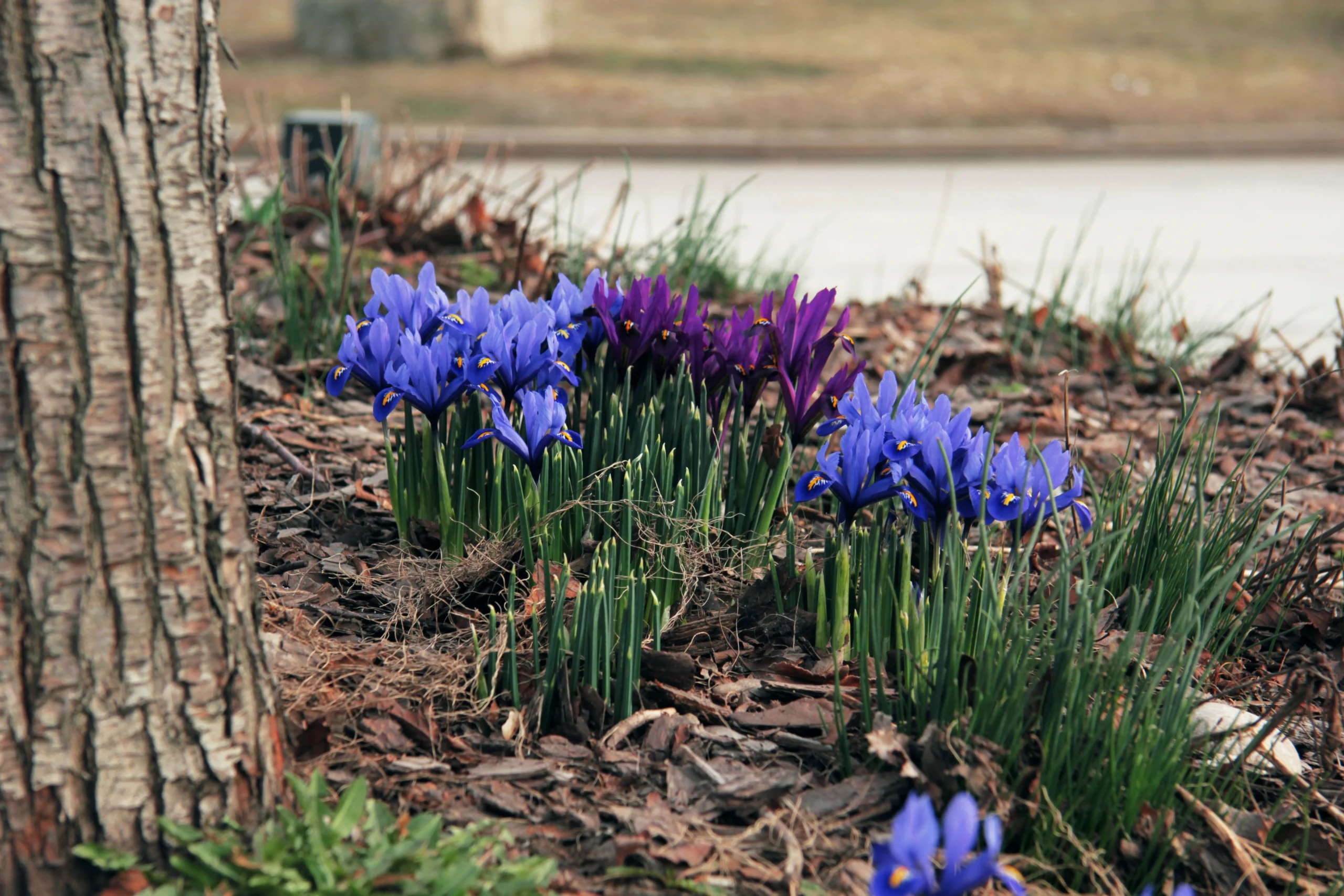
Figuring out how much mulch you need for a tree ring is trickier than it sounds — most generic mulch calculators assume a flat rectangle, but the area around a tree is a ring, with a hole in the middle for the trunk. Use the tree ring mulch calculator above to get an exact answer in seconds. This tree ring mulch calculator is designed specifically for donut-shaped beds, or keep reading for the formula, a quick-reference chart, and answers to the most common mulch, topsoil, and compost questions.
Quick answer: A typical 5-foot mulch ring with a 1-foot gap around the trunk and a 3-inch depth needs about 21 cubic feet (roughly 0.8 cubic yards) of mulch — that’s around 11 bags of 2-cubic-foot mulch, including a 10% waste buffer.
What Is a Tree Ring Mulch Calculator?
A tree ring mulch calculator (sometimes searched as a circle mulch calculator or mulch estimator) measures the donut-shaped area around a tree trunk rather than a simple square or rectangle. It takes the full circle out to your mulch line and then subtracts a smaller inner circle—the bare gap you should leave around the trunk—so you’re not over-ordering mulch for space that shouldn’t be covered anyway. This tree ring mulch calculator matters because a standard calculator that only handles squares or rectangles will overestimate how much material you need for round beds, and it won’t account for the trunk gap at all. The calculator above does both automatically and lets you add multiple trees in one go if you’re mulching several at once.
How to Use the Mulch Calculator
1. Choose your units
Toggle between feet/inches and meters/centimeters at the top of the tool, depending on how you prefer to measure.
2. Measure the outer radius
This is the distance from the trunk to the outer edge of where you want mulch to end — not the full width of the bed. If your mulch ring is 10 feet across, the radius is 5 feet.
3. Measure the trunk gap (inner radius)
Leave a gap of roughly 3–6 inches from the bark for young or small trees, and scale that up for mature trees with wide trunks or surface roots. This gap prevents “mulch volcanoes”—piles of mulch against the trunk that trap moisture and invite rot and pests.
4. Pick a mulch depth
2 inches is considered light coverage, 3 inches is the standard recommendation for most landscapes, and 4 inches is a heavier application for weed suppression or moisture-starved soil. You can also enter a custom depth.
5. Select your bag size
Bagged mulch typically comes in 1.5, 2, or 3 cubic foot bags. Choosing the right size gives you an accurate bag count instead of a generic cubic yard figure you’d have to convert yourself.
6. Add an optional cost estimate
Enter a price per bag or a price per cubic yard (whichever your supplier quotes) to see an estimated total cost before you buy.
Understanding Your Calculator Results
The results panel shows five figures—here’s what each one means and when to use it:
- Square feet — the surface area of the ring itself (outer circle minus the trunk gap). Useful for comparing against landscape fabric or edging needs.
- Cubic feet — the volume of mulch needed at your chosen depth. This is the figure to compare against bag sizes.
- Cubic yards — the same volume converted for bulk/delivery orders, since most mulch yards and garden centers sell loose mulch by the cubic yard.
- Bags needed — cubic feet divided by your selected bag size, rounded up so you don’t come up short.
- Estimated cost — only appears once you enter a price, calculated from either your bag count or your cubic yard total.
By default, the mulch calculator adds a 10% waste buffer to account for spillage, settling, and uneven ground—you can turn this off if you want the bare-minimum number.
The Mulch Calculation Formula
If you’d rather do the math by hand, this is exactly what the calculator runs behind the scenes:
Volume (cu ft) = ring area × depth (in feet)
Cubic yards = cubic feet ÷ 27
Bags needed = cubic feet ÷ bag size (rounded up)
Worked example: a 5-foot outer radius, a 1-foot (12-inch) trunk gap, and a 3-inch depth:
Volume = 75.4 × 0.25 ft ≈ 18.85 cu ft
+ 10% waste ≈ 20.7 cu ft (≈ 0.77 cu yd)
Bags (2 cu ft each) = 11 bags
Quick Reference: Mulch Needed by Ring Size
For a 1-foot trunk gap, 3-inch depth, and a 10% waste buffer, here’s roughly how much mulch common ring sizes need. Use these estimates alongside the tree ring mulch calculator above for an exact figure based on your own measurements.
| Outer radius | Cubic feet | Cubic yards | 2 cu ft bags |
|---|---|---|---|
| 3 ft | ~6.9 | ~0.26 | 4 |
| 4 ft | ~13.0 | ~0.48 | 7 |
| 5 ft | ~20.7 | ~0.77 | 11 |
| 6 ft | ~30.2 | ~1.12 | 16 |
| 8 ft | ~54.4 | ~2.02 | 28 |
These are estimates for planning purposes—use the mulch calculator above for an exact figure based on your own measurements.
Mulch Ring Size Chart
A common rule is a mulch ring at least 3 feet out from the trunk (6 feet across), wider as the tree grows. Keep mulch 3–6 inches clear of the trunk and 2–3 inches deep. VERIFY your local extension guidance on ring width. Bags below assume a 3-inch depth and a 1-foot clear circle at the trunk, using 2 cu ft bags.
| Ring diameter | Area | Cubic feet at 3″ | Bags (2 cu ft) |
|---|---|---|---|
| 4 ft | 11.8 sq ft | 2.9 | 2 |
| 6 ft | 27.5 sq ft | 6.9 | 4 |
| 8 ft | 49.5 sq ft | 12.4 | 7 |
| 10 ft | 77.8 sq ft | 19.4 | 10 |
| 12 ft | 112.3 sq ft | 28.1 | 15 |
Mulch vs. Topsoil vs. Compost: Which Calculator Do You Need?
The area × depth math is the same for mulch, topsoil, and compost—only the typical depth and purpose of the material change:
- Mulch sits on top of soil around trees and beds to retain moisture and block weeds, usually at 2–4 inches deep.
- Topsoil is used to fill, level, or build up grading and lawn areas, often applied much thicker depending on the grading job. If you’re working with rectangular lawn or fill areas rather than tree rings, a dedicated topsoil calculator will be a better fit.
- Compost is a soil amendment mixed in or top-dressed at a shallow 1–3 inches to add nutrients, commonly used in raised beds and vegetable gardens. Check out our compost calculator if that’s what you’re estimating.
As a rough rule of thumb for conversions, topsoil weighs approximately 1–1.35 tons per cubic yard depending on moisture content, while bagged mulch typically averages 15–30 lbs per cubic foot depending on the material. For regional soil composition data, the USDA Natural Resources Conservation Service is a reliable reference.
Tips for Mulching Around Trees the Right Way
Once you’ve used the tree ring mulch calculator to size your project, follow these best practices to get the most out of your mulch:
- Keep mulch off the trunk. Piling mulch against the bark (“mulching volcanoes”) traps moisture and encourages rot, fungus, and pests. For expert guidance on proper mulching depth and tree health, the University of Minnesota Extension and the Arbor Day Foundation both recommend keeping mulch 3–6 inches away from the trunk and limiting depth to 2–4 inches.
- Stick to 2–4 inches deep. More than that can suffocate roots and starve them of oxygen.
- Mulch in spring or fall. Spring mulching helps retain moisture before summer heat; fall mulching insulates roots before winter.
- Refresh, don’t stack. Rake out old, compacted mulch before adding a new layer instead of piling on top year after year.
- Playground or rubber mulch needs more depth. Safety-surfacing rubber mulch for play areas is typically installed 6 inches deep—noticeably more than ornamental bark mulch—so factor that into your volume estimate if that’s your project.
Frequently Asked Questions
How much mulch do I need?
It depends on the area and depth, but the formula is always area (sq ft) × depth (in feet) = cubic feet of mulch, divided by 27 for cubic yards. For a ring-shaped bed around a tree, subtract the trunk gap’s area first. The calculator above does this automatically.
How do I calculate mulch for a circular bed or tree ring?
Use the formula π × (outer radius² − inner radius²) to get the ring’s area, then multiply by your mulch depth in feet. This is different from a standard rectangular mulch calculation, which is just length × width × depth. Or skip the math entirely and let the tree ring mulch calculator above do it for you instantly.
How many bags of mulch do I need?
It depends on the area and depth, but the formula is always area (sq ft) × depth (in feet) = cubic feet of mulch, divided by 27 for cubic yards. For a ring-shaped bed around a tree, subtract the trunk gap’s area first. The easiest way is to use our tree-ring mulch calculator above—it handles all of this automatically.
How much does a cubic yard of mulch cover?
One cubic yard (27 cubic feet) covers about 324 square feet at 1 inch deep, 162 square feet at 2 inches, or 108 square feet at 3 inches—the standard recommended depth for most beds.
How big should the mulch ring be around a tree?
A common guideline is a ring 2–3 times the diameter of the trunk for young trees, extending out toward (but not necessarily reaching) the drip line for mature trees. Most homeowners use a 3–6 foot radius for ornamental trees.
Why does the calculator subtract a "trunk gap"?
Mulch piled directly against the trunk holds excess moisture against the bark, which can lead to rot, fungal disease, and pest issues. Leaving a 3–6 inch bare gap (more for larger trees) keeps the trunk dry and healthy while still mulching the surrounding soil.
How much does mulch weigh?
Bagged hardwood or bark mulch generally weighs 15–30 lbs per cubic foot depending on moisture and material, so a 2-cubic-foot bag typically weighs 30–60 lbs. Rubber mulch is denser and heavier per cubic foot than wood mulch.
How much topsoil do I need?
The same area × depth formula applies, but topsoil projects are usually rectangular fill or grading jobs rather than rings. Try a dedicated topsoil calculator for square or rectangular areas.
How much compost do I need for a raised bed or garden?
For top-dressing existing soil, 1–3 inches of compost is typical; for filling a new raised bed, compost is usually blended with topsoil rather than used alone. A compost calculator can help size the exact volume for your bed dimensions.
How many cubic yards are in a ton of topsoil?
Roughly 0.75–1 cubic yard per ton, since topsoil typically weighs 2,000–2,700 lbs per cubic yard depending on moisture content and composition.
What's the best time of year to mulch?
Spring (after the soil warms but before summer heat) and fall (before the first hard frost) are the two best windows — spring mulch locks in moisture for the growing season, while fall mulch insulates roots over winter.
How much rubber mulch do I need for a playground?
Playground safety surfacing generally calls for about 6 inches of rubber mulch depth—roughly double a typical ornamental mulch bed—so plan for proportionally more volume than the standard 2–3 inch landscape recommendation
Should I add extra mulch for waste?
Yes — a 10% buffer is standard to account for spillage, uneven ground, and settling over time. The calculator above includes this buffer by default, and you can toggle it off if you want the exact bare-minimum figure.
Ready to plan your next yard project? Head back to our free mulch calculator for the full lineup of mulch, topsoil, and compost calculators
A mulch calculator estimates the amount of mulch needed for landscaping projects quickly and accurately.

Quick Links
Get In Touch
Street 7171 W Irving Park Rd, Chicago, Illinois, 60634, United States
Email: info@mulchcalculatoronline.com
Disclaimer
The results provided by this mulch calculator are for estimation purposes only. Calculations are based on the measurements and depth you enter and are intended as a general guide to help you plan your project. Actual material needs may vary depending on settling, waste, irregular bed shapes, and the specific mulch product you purchase. We recommend adding 10–15% to your estimated total to account for variations. Always consult your local supplier for product-specific coverage rates before placing a final order. We are not responsible for over-purchasing, under-purchasing, or any costs incurred based on estimates generated by this tool.
© All Rights Reserved.