Gravel Calculator
Gravel Calculator – Figure Out How Much Gravel You Need
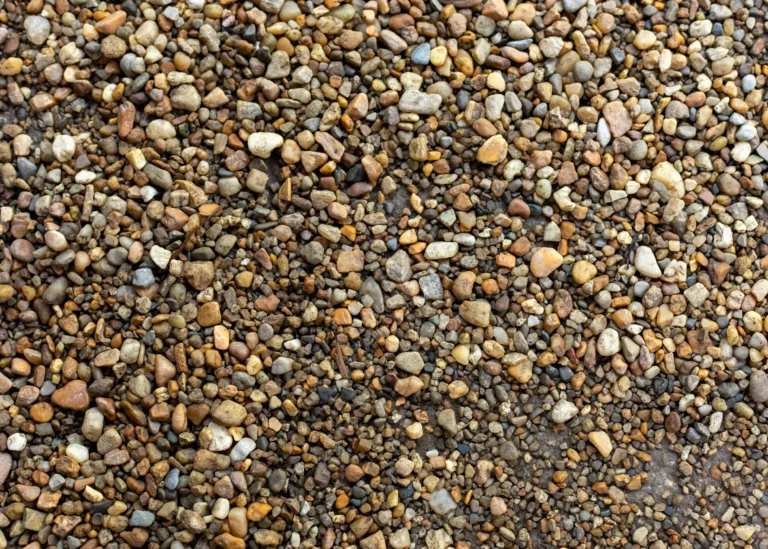
Use this free gravel calculator to instantly figure out yards of gravel, total weight in tons, and material cost for any project. Whether you are working on a driveway, garden path, patio base, or drainage layer, this gravel estimator does the heavy lifting for you. Enter your dimensions, choose your gravel type, and get accurate results in seconds — no math required. Whether you’re asking “how much gravel do I need,” looking for a gravel calculator in yards, or just need a quick gravel coverage calculator for a small project, this tool gives you the answer in seconds.
What Is a Gravel Calculator?
A gravel calculator is a free online tool that helps homeowners, landscapers, and contractors estimate how much gravel they need for any project. Instead of manually trying to figure out yards of gravel or convert between cubic yards and tons, this material calculator handles every calculation automatically based on the dimensions and gravel type you enter.
This tool works as a gravel estimator, a crushed rock calculator, a pea gravel calculator, a landscape rock calculator, and a stone calculator — all in one place. Whether your supplier sells by the cubic yard, by the ton, or by the bag, this gravel calculator converts everything so you always know exactly how much to order.
For other landscaping materials, you can also use our online mulch calculator for any projects to estimate mulch quantities with the same ease.
According to the U.S. Federal Highway Administration’s Gravel Roads Maintenance and Design Manual, proper gravel depth and material selection are critical factors in the long-term performance of any gravel surface.
How to Use This Gravel Estimator
Step 1 – Select Your Project Type
Choose the tab that matches your project:
- Area / Volume — For rectangular spaces like garden beds, patios, or backyards
- Circular Area — For round areas like fountain bases or circular gardens
- Path / Driveway — For long, narrow driveways, walkways, or gravel paths
- Weight Only — If you already know your volume and just need the weight conversion
Step 2 – Enter Your Dimensions
Input the length, width, and depth of your project area. The gravel calculator supports feet, meters, yards, and inches. A good rule of thumb for gravel depth is 2 to 3 inches for garden paths, 4 to 6 inches for driveways, and 6 to 12 inches for drainage layers.
Step 3 – Choose Your Gravel Type
Different types of gravel have different densities, which directly affects how many tons you will need. This gravel estimator includes the following material types:
- Pea Gravel (~1,680 kg/m³) — Small, smooth stones ideal for garden beds and decorative paths
- Crushed Stone (~1,520 kg/m³) — Angular, compactable material best suited for driveways and sub-bases
- River Rock (~1,750 kg/m³) — Naturally smooth stones used in drainage and landscape decoration
- Decomposed Granite (~1,600 kg/m³) — Fine-grained material that compacts firmly, great for pathways
- Lava Rock (~1,440 kg/m³) — Lightweight and porous, popular for garden beds
- Custom Density — Enter any density in kg/m³ for specialty materials
Step 4 – Add Price and Waste Factor (Optional)
Enter your local price per ton to get a cost estimate. The waste factor — set to 10% by default — adds a buffer for spillage, uneven ground, and compaction. For irregular terrain, increase this to 15–20%.
Step 5 – Click Calculate
Hit the Calculate Gravel button, and the gravel calculator instantly displays your volume in cubic yards, cubic feet, and cubic meters; your weight in tons, kilograms, and pounds; estimated bag count; and total material cost if a price was entered.
How Much Gravel Do I Need? Understanding Your Results
Once you run the gravel calculator, here is what each result means:
Volume (Cubic Yards / Cubic Feet / Cubic Meters) — How much space the gravel will occupy. Many American suppliers sell gravel by the cubic yard, so this gravel calculator in yards is especially useful when calling for supplier quotes.
Weight (Tons / Kilograms / Pounds) — How heavy the total material is. Most bulk gravel is sold by the ton, making this the most important figure for placing an order.
Bag Count (20 kg / 50 kg bags)—How many bagged units you would need if buying from a hardware or garden store rather than in bulk.
Total Cost — An estimate based on the price per ton you entered. Note that delivery charges and labor are not included — always confirm the final quote with your supplier.
This tool works as a gravel estimator, a crushed rock calculator, a pea gravel calculator, a landscape rock calculator, and a stone calculator — all in one place. Whether your supplier sells by the cubic yard, by the ton, or by the bag, this gravel calculator converts everything so you always know exactly how much to order.
For other landscaping materials, you can also use our free mulch calcualtor with depth settings to estimate mulch quantities with the same ease.
Gravel Calculator in Tons vs. Cubic Yards — What Is the Difference?
One of the most common points of confusion when ordering gravel is whether to order by the ton or by the cubic yard. Here is the simple explanation:
Cubic yards measure volume — how much physical space the gravel occupies. Tons measure weight — how heavy the gravel is.
Because different types of gravel have different densities, the same volume can weigh very different amounts. That is exactly why this gravel calculator uses the specific density of whichever material you select to give you an accurate tons result alongside the cubic yard volume.
As a general reference, most standard gravel weighs between 1.4 and 1.7 tons per cubic yard. Here is a quick breakdown for common types:
| Gravel Type | Tons per Cubic Yard | Cubic Yards per Ton |
|---|---|---|
| Pea Gravel | ~1.28 tons | ~0.78 yd³ |
| Crushed Stone | ~1.16 tons | ~0.86 yd³ |
| River Rock | ~1.34 tons | ~0.75 yd³ |
| Decomposed Granite | ~1.22 tons | ~0.82 yd³ |
If you are asking how many yards in a ton of gravel, divide 1 by the tons-per-cubic-yard figure above. For example, 1 ton of pea gravel equals approximately 0.78 cubic yards.
Types of Gravel — Which One Do You Need?
Pea Gravel
Pea gravel is one of the most popular choices for garden paths, play areas, and decorative landscaping. Its small, smooth, rounded shape makes it comfortable underfoot and visually appealing. Use the pea gravel calculator tab to figure out how much you need by entering your area dimensions and a 2 to 3-inch depth.
Crushed Stone
Crushed stone — typically limestone, granite, or dolomite — is the go-to material for driveways, road bases, and structural sub-layers. Its angular shape allows it to compact tightly, creating a stable surface. For driveway projects, this crushed rock calculator recommends a depth of at least 4 inches for residential use. The USGS Mineral Resources Program reports that crushed stone is the most widely used construction aggregate in the United States, with billions of tons produced annually for roads, driveways, and building foundations.
River Rock
River rock is heavier and denser than most other gravel types. It is commonly used for drainage channels, dry creek beds, and landscape decoration. Because of its smooth, rounded surface, it does not compact well and is not recommended as a standalone driveway material.
Decomposed Granite
Decomposed granite is a fine-grained, sandy gravel that compacts into a firm surface. It is an excellent choice for garden pathways, desert landscaping, and areas where a natural, earthy look is desired. Use this landscape rock calculator to estimate the right quantity for your project.
Lava Rock
Lava rock is the lightest gravel option, making it easy to work with and ideal for raised garden beds where weight is a concern. It also retains moisture in the soil beneath it, benefiting plant health. Its density of approximately 1,440 kg/m³ means you need slightly less weight per cubic yard compared to heavier materials.
How to Figure Out Yards of Gravel for Common Projects
Gravel Driveway Calculator
To figure out yards of gravel for a driveway, measure the length and width of the driveway in feet, decide on a depth of 4 to 6 inches, and enter those values into the Path / Driveway tab. A standard two-car driveway measuring 16 feet wide by 40 feet long at 4 inches deep requires approximately 10 to 12 cubic yards — or roughly 13 to 16 tons — of crushed stone. The University of Minnesota Extension recommends a minimum depth of 4 inches of compacted aggregate for residential driveways to ensure adequate load-bearing capacity and drainage.
Garden Path and Landscape Rock Calculator
For a garden walkway, use a depth of 2 to 3 inches with pea gravel or decomposed granite. A 3-foot-wide by 20-foot-long path at 2 inches deep needs less than 0.5 cubic yards of material—a very manageable amount that could be covered with bagged gravel from a local store. This landscape rock calculator makes it easy to see exactly how many bags you would need.
Patio Base Gravel Estimator
A gravel sub-base under a patio or pavers should be 4 to 6 inches deep, using compactable crushed stone. For a 10 × 12 foot patio at 4 inches deep, you will need approximately 1.5 cubic yards or roughly 1.7 to 2 tons of crushed stone. Always add your waste factor to avoid running short.
Drainage and French Drain Gravel
For drainage projects, the required depth is typically 6 to 12 inches. River rock or washed gravel with a coarse aggregate size allows water to pass through quickly. Use the Area / Volume tab, enter your trench length as the length and the trench width as the width, and set the depth to match your drain specification
Gravel Coverage — How Far Does One Ton Go?
A frequently asked question is, how much area will one ton of gravel cover? The answer depends on the depth of coverage and the type of gravel. Here is a practical reference table:
| Depth | Coverage per Ton (Pea Gravel) | Coverage per Ton (Crushed Stone) |
|---|---|---|
| 1 inch | ~160 sq ft | ~175 sq ft |
| 2 inches | ~80 sq ft | ~88 sq ft |
| 3 inches | ~53 sq ft | ~58 sq ft |
| 4 inches | ~40 sq ft | ~44 sq ft |
| 6 inches | ~27 sq ft | ~29 sq ft |
For precise results based on your exact gravel type, always use this gravel calculator’s tons feature rather than relying on rough estimates. For reference on standard aggregate sizing and classification, the American Society for Testing and Materials (ASTM) publishes grading standards for graded aggregate material used in roads and driveways.
Gravel Calculator by Square Feet
If you already know your square footage rather than separate length and width measurements, you can still use this gravel calculator easily. Enter any length and width combination that multiplies to your known square footage (for example, for 200 square feet, enter 20 feet by 10 feet), then set your depth as normal. The calculator will compute your accurate volume and weight from there.
As a quick reference, here is how much gravel you need by square footage at the most common depths, using crushed stone (~1.16 tons per cubic yard):
| Area (sq ft) | 2″ Depth (yd³ / tons) | 3″ Depth (yd³ / tons) | 4″ Depth (yd³ / tons) | 6″ Depth (yd³ / tons) |
|---|---|---|---|---|
| 50 | 0.31 yd³ / 0.36 tons | 0.46 yd³ / 0.53 tons | 0.62 yd³ / 0.72 tons | 0.93 yd³ / 1.08 tons |
| 100 | 0.62 yd³ / 0.72 tons | 0.93 yd³ / 1.08 tons | 1.23 yd³ / 1.43 tons | 1.85 yd³ / 2.15 tons |
| 150 | 0.93 yd³ / 1.08 tons | 1.39 yd³ / 1.61 tons | 1.85 yd³ / 2.15 tons | 2.78 yd³ / 3.23 tons |
| 200 | 1.23 yd³ / 1.43 tons | 1.85 yd³ / 2.15 tons | 2.47 yd³ / 2.86 tons | 3.70 yd³ / 4.29 tons |
| 300 | 1.85 yd³ / 2.15 tons | 2.78 yd³ / 3.23 tons | 3.70 yd³ / 4.29 tons | 5.56 yd³ / 6.45 tons |
| 500 | 3.09 yd³ / 3.58 tons | 4.63 yd³ / 5.37 tons | 6.17 yd³ / 7.16 tons | 9.26 yd³ / 10.74 tons |
| 1,000 | 6.17 yd³ / 7.16 tons | 9.26 yd³ / 10.74 tons | 12.35 yd³ / 14.32 tons | 18.52 yd³ / 21.48 tons |
Figures are estimates based on crushed stone density. Pea gravel, river rock, and other materials will vary slightly—for exact results based on your chosen gravel type, use the calculator above.
For a depth not listed here, simply enter your square footage as a length × width combination directly into the calculator for an instant, precise result.
How Many Bags of Gravel Do I need?
Bagged gravel is most often sold in 0.5 cubic foot bags (roughly 50 lbs each), which is the standard size at most hardware and garden stores. To convert any cubic yard figure into bags, multiply by 54 (since 1 cubic yard = 27 cubic feet = 54 half-cubic-foot bags).
Here’s how many 0.5 cu ft bags you’ll need by square footage and depth:
| Area (sq ft) | 2″ Depth | 3″ Depth | 4″ Depth | 6″ Depth |
|---|---|---|---|---|
| 50 | 17 bags | 25 bags | 34 bags | 50 bags |
| 100 | 34 bags | 50 bags | 67 bags | 100 bags |
| 150 | 50 bags | 75 bags | 100 bags | 150 bags |
| 200 | 67 bags | 100 bags | 134 bags | 200 bags |
| 300 | 100 bags | 150 bags | 200 bags | 300 bags |
| 500 | 167 bags | 250 bags | 334 bags | 500 bags |
Based on 0.5 cu ft bags. If your supplier sells larger bags (0.75 cu ft or 1 cu ft), divide these numbers by 1.5 or 2, respectively. For an exact bag count based on your specific gravel type and bag size, use the calculator above.
Tip: For areas larger than 200–300 sq ft, bulk delivery (by the cubic yard or ton) is almost always cheaper than buying bags—bagged gravel typically costs 2–3x more per cubic yard than bulk.
Gravel Estimator — Tips to Order the Right Amount
Getting your quantity right the first time saves both money and hassle. Here are the key tips:
Always add 10% overage. Gravel compacts, spills, and settles into uneven ground. The built-in waste factor in this gravel estimator accounts for this, but always round up to the next half-ton when placing your order.
Confirm units with your supplier. Some suppliers quote in cubic yards, others in tons. Use the gravel calculator’s yards and tons results together when calling for quotes so you can compare supplier pricing accurately.
Order one material type at a time. If your project uses a base layer of crushed stone and a top layer of pea gravel, run the pea gravel calculator and crushed rock calculator separately to get individual quantities.
Measure twice. The accuracy of this material calculator depends entirely on how accurately you measure your area. For irregular shapes, break the space into rectangles and run separate calculations, then add the results together.
For landscaping projects that also involve mulch, our accurate free mulch calculator gives you the same precision for wood chips, bark, and other organic materials.
Frequently Asked Questions (FAQs)
How deep should I lay gravel?
Measure the length, width, and desired depth of your project area. Multiply length × width × depth to get the volume, then convert to cubic yards by dividing by 27 (if working in feet). Multiply by the gravel density to get the weight in tons. Alternatively, just enter your measurements into this gravel calculator and get instant results without doing any manual math.
What is the difference between a gravel calculator and a stone calculator?
They function identically—both calculate volume and weight for aggregate materials. The term “stone calculator” is commonly used for larger decorative rock (2 inches and above), while “gravel calculator” refers to smaller aggregate (¼ inch to 2 inches). This tool covers both use cases.
How many cubic yards are in a ton of gravel?
For standard gravel (¼” to 2″), 1 ton equals approximately 0.59 to 0.71 cubic yards depending on the specific material. For pea gravel, 1 ton is roughly 0.78 cubic yards. The gravel calculator handles this conversion automatically when you select your gravel type.
Can I use this as a crushed rock calculator?
Yes. Select crushed stone as your gravel type, enter your project dimensions, and the calculator will give you the exact cubic yards and tons of crushed rock needed. It works equally well as a crushed rock calculator, landscape rock calculator, or standard gravel estimator.
How do I calculate gravel for a circular area?
Use the Circular Area tab. Enter the diameter of the circle and your desired depth. The calculator automatically computes the area using the formula π × (diameter ÷ 2)², then multiplies by depth to give you the volume and weight.
What gravel is best for landscaping?
For decorative landscaping, pea gravel and lava rock are the most popular choices due to their attractive appearance and good drainage properties. For functional landscape paths, decomposed granite compacts well and provides a stable surface. Use this landscape rock calculator to estimate quantities for any of these materials.
Is this calculator also a material calculator for sand and soil?
Yes. Use the Custom Density option and enter the density of your material. Dry sand is approximately 1,600 kg/m³, wet sand around 1,920 kg/m³, and topsoil between 1,200 and 1,400 kg/m³. This makes the tool useful as a general material calculator beyond just gravel.
How many bags of gravel do I need?
Bagged gravel typically comes in 0.5 cubic foot bags (50 lb) at most hardware stores. To convert your cubic yard result into bags, multiply your cubic yard total by 54 (since 1 cubic yard equals 54 bags of 0.5 cubic feet each). For example, 1 cubic yard of gravel requires about 54 bags. This gravel calculator’s bag count feature does this conversion for you automatically once you select the Area/Volume or Path/Driveway tab.
What is a good gravel calculator formula if I want to do it by hand?
The basic formula is: Length × Width × Depth ÷ 27 = Cubic Yards (when measurements are in feet). Multiply your cubic yard result by the gravel’s tons-per-cubic-yard figure to get weight. This is the exact formula this gravel calculator runs automatically, so you never have to do the conversion yourself.
How much gravel do I need for 100 square feet?
At a standard 2-inch depth, 100 square feet of coverage needs approximately 0.62 cubic yards of gravel, or roughly 0.7 to 0.8 tons depending on the material. At 4 inches deep, that doubles to about 1.23 cubic yards. Enter 100 as your area in the Area/Volume tab with your chosen depth for an exact figure.
A mulch calculator estimates the amount of mulch needed for landscaping projects quickly and accurately.

Quick Links
Get In Touch
Street 7171 W Irving Park Rd, Chicago, Illinois, 60634, United States
Email: info@mulchcalculatoronline.com
Disclaimer
The results provided by this mulch calculator are for estimation purposes only. Calculations are based on the measurements and depth you enter and are intended as a general guide to help you plan your project. Actual material needs may vary depending on settling, waste, irregular bed shapes, and the specific mulch product you purchase. We recommend adding 10–15% to your estimated total to account for variations. Always consult your local supplier for product-specific coverage rates before placing a final order. We are not responsible for over-purchasing, under-purchasing, or any costs incurred based on estimates generated by this tool.
© All Rights Reserved.