Cubic Yard Calculator
Bag size & price (optional)
Estimates use standard US bag sizes and an average material weight of ~800 lbs per cubic yard. Add 5–10% extra for uneven ground or settling. Always round up to the nearest full bag or delivered yard.
What Is This Cubic Yard Calculator?
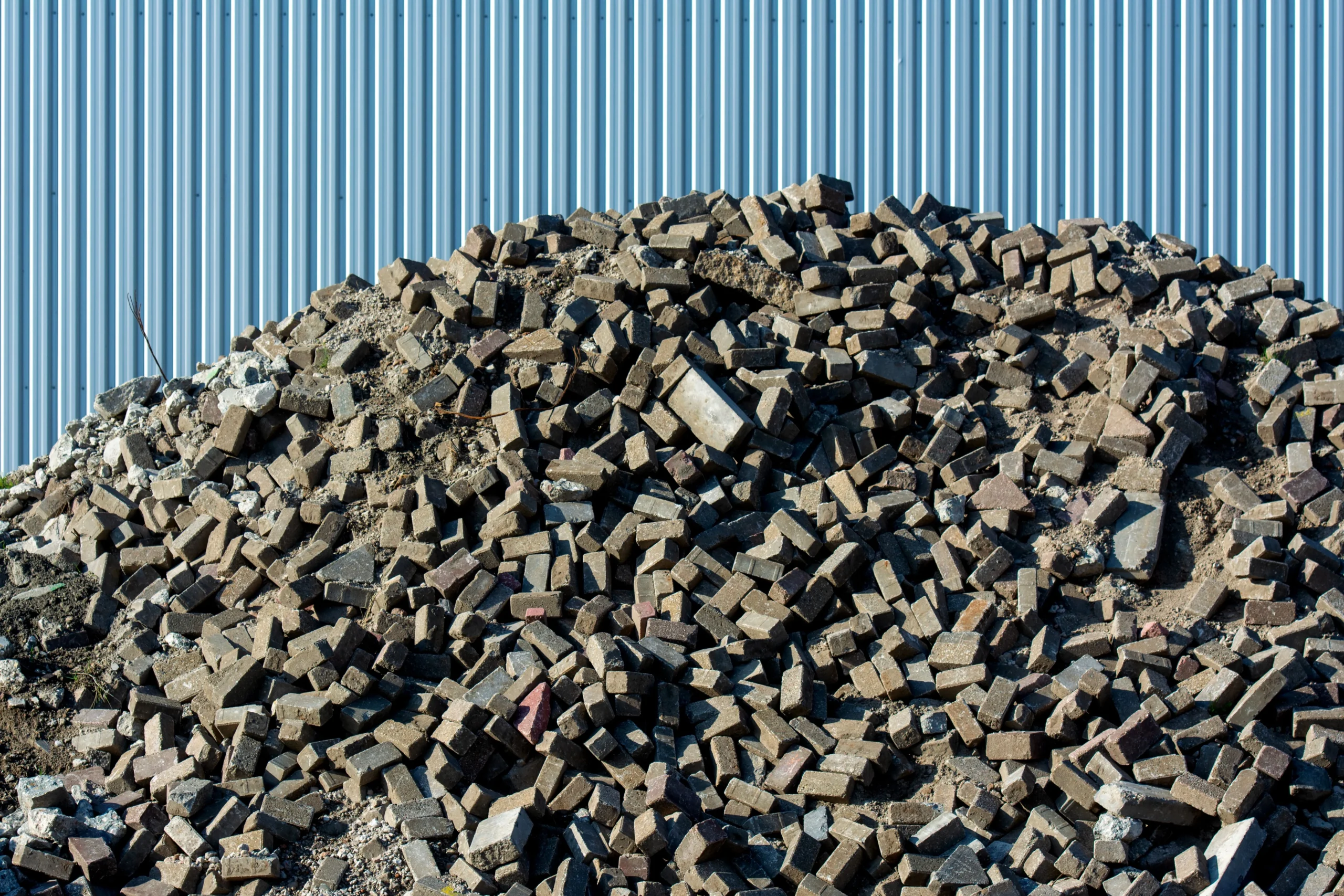
This cubic yard calculator is a free online tool that helps you figure out how many cubic yards of material you need for landscaping, construction, or gardening projects. Whether you are ordering soil, gravel, sand, or mulch, this cubic yard calculator instantly converts your project’s length, width, and depth into cubic yards, cubic feet, bag count, and estimated weight. Instead of doing manual math with a volume formula, you simply enter your measurements and let the tool do the work.
If you are working specifically with mulch, the related mulch estimator on the Mulch Calculator Online homepage is built to give you mulch-specific coverage numbers.
How the Cubic Yard Calculator Works
This calculator works by taking the area of your space and multiplying it by the depth of material you plan to add. It then converts that volume from cubic feet into cubic yards, since most bulk materials like soil, gravel, and mulch are sold by the yard.
Step-by-Step Process
- Choose your shape — rectangle, circle, or triangle.
- Enter your measurements in feet, such as length and width, diameter, or base and height.
- Enter the depth in inches, or pick a quick preset such as two, three, or four inches.
- Click the calculate button to see your results.
The Formula Behind the Cubic Yard Calculator
For a rectangular area, the formula this tool uses is length in feet multiplied by width in feet multiplied by depth in feet, divided by twenty-seven. Depth is first converted from inches to feet, and the final volume is divided by twenty-seven because there are twenty-seven cubic feet in one cubic yard. For circles, the calculator uses the area of a circle, and for triangles, it uses half of the base times the height before applying the same depth and conversion steps.
What Results Does This Cubic Yard Calculator Show?
Once you click “calculate,” the calculator displays four key results.
- Cubic Yards — the main number you will use when ordering bulk material from a supplier.
- Cubic Feet — useful if your supplier sells material by the cubic foot instead.
- Bags Needed — based on standard bag sizes of one, one and a half, two, or three cubic feet, rounded to the nearest full bag.
- Weight — an estimated figure in pounds, based on an average material density of about eight hundred pounds per cubic yard.
- Bulk Cost — an estimate of your total material spend if you enter a price per yard.
Why Use a Cubic Yard Calculator Instead of Doing It by Hand?
Calculating volume manually means converting units, remembering the right formula, and doing math for irregular shapes like circles and triangles. A cubic yard calculator removes the guesswork, reduces the risk of ordering too little or too much material, and saves time on every project, from a small flower bed to a full backyard renovation.
Materials You Can Estimate With This Tool
This calculator works for almost any bulk material, including topsoil and garden soil, mulch and wood chips, gravel and crushed stone, sand, compost, and decorative rock.
Cubic Yard Calculator for Different Area Shapes
Rectangular Area
Enter the length and width of your space in feet. This is the most common shape for driveways, patios, and garden beds.
Circular Area
Enter the diameter of your circular area, for example, a round flower bed or tree ring. The tool automatically converts diameter to radius.
Triangular Area
Enter the base and height of the triangular section. This works well for corner beds or oddly shaped yard sections.
Tips for Getting an Accurate Estimate
- Measure length and width at the widest points of your space.
- Round up your depth slightly for uneven or sloped ground.
- Add five to ten percent extra material to account for settling and compaction.
- Always round up to the next full bag or delivered yard, since suppliers rarely sell partial units.
Cubic Yard Conversion Chart
One cubic yard is 27 cubic feet—a cube 3 feet on each side. Use the table to estimate bags, coverage, and weight.
| Cubic yards | Cubic feet | 2 cu ft bags | Coverage at 3″ | Mulch (≈500 lb/yd) | Topsoil (≈2,100 lb/yd) | Fill dirt (≈2,500 lb/yd) |
|---|---|---|---|---|---|---|
| 1 | 27 | 14 | 108 sq ft | 500 lb | 2,100 lb (1.05 tons) | 2,500 lb (1.25 tons) |
| 2 | 54 | 27 | 216 sq ft | 1,000 lb | 4,200 lb (2.1 tons) | 5,000 lb (2.5 tons) |
| 3 | 81 | 41 | 324 sq ft | 1,500 lb | 6,300 lb (3.15 tons) | 7,500 lb (3.75 tons) |
| 5 | 135 | 68 | 540 sq ft | 2,500 lb | 10,500 lb (5.25 tons) | 12,500 lb (6.25 tons) |
| 10 | 270 | 135 | 1,080 sq ft | 5,000 lb | 21,000 lb (10.5 tons) | 25,000 lb (12.5 tons) |
| 15 | 405 | 203 | 1,620 sq ft | 7,500 lb | 31,500 lb (15.75 tons) | 37,500 lb (18.75 tons) |
| 20 | 540 | 270 | 2,160 sq ft | 10,000 lb | 42,000 lb (21 tons) | 50,000 lb (25 tons) |
How Big Is a Cubic Yard?
A cubic yard is 3 feet × 3 feet × 3 feet (36 inches on each side), or 27 cubic feet—about the size of a washing machine. Half a cubic yard is 13.5 cubic feet. A cubic yard of mulch spread 3 inches deep covers about 108 sq ft, and spread 1 inch deep covers 324 sq ft.
Frequently Asked Questions
How many cubic feet are in a cubic yard?
There are twenty-seven cubic feet in one cubic yard, since a cubic yard measures three feet by three feet by three feet.
How do I calculate cubic yards for a circle?
Multiply pi by the radius squared to get the area, then multiply by depth in feet, and divide by twenty-seven.
How much does a cubic yard of mulch weigh?
Mulch typically weighs four hundred to eight hundred pounds per cubic yard, lighter than soil or gravel, which can weigh closer to two thousand to three thousand pounds per cubic yard depending on moisture and material type.
How many bags of soil equal a cubic yard?
A standard two cubic foot bag requires about thirteen and a half bags to equal one cubic yard.
Is it cheaper to buy material in bulk or by the bag?
Buying in bulk by the yard is almost always cheaper per unit than buying individual bags, especially for projects larger than two or three cubic yards.
How much area does one cubic yard cover?
One cubic yard covers about three hundred twenty-four square feet at one inch deep, one hundred sixty-two square feet at two inches deep, or one hundred eight square feet at three inches deep.
Can I use this cubic yard calculator for concrete?
Yes, the same volume formula applies, though for concrete projects it is best to confirm with your supplier since concrete is typically ordered in exact cubic yard amounts.
Do I need to round up my order?
Yes. Suppliers usually deliver in full- or half-yard increments, so it is best to round up your cubic-yard calculator result rather than under-order.
How much does a cubic yard of dirt weigh?
About 2,000–2,700 lb (1–1.35 tons), depending on moisture and type.
How much is 10 cubic yards of dirt?
10 cubic yards is 270 cubic feet, roughly one dump-truck load. It weighs about 10–13.5 tons.
How many cubic yards in a ton of topsoil?
About 0.95 cubic yards (2,000 lb ÷ 2,100 lb per yard).
For more coverage-specific tools, including a dedicated mulch estimator, visit Mulch Calculator Online.
A mulch calculator estimates the amount of mulch needed for landscaping projects quickly and accurately.

Quick Links
Get In Touch
Street 7171 W Irving Park Rd, Chicago, Illinois, 60634, United States
Email: info@mulchcalculatoronline.com
Disclaimer
The results provided by this mulch calculator are for estimation purposes only. Calculations are based on the measurements and depth you enter and are intended as a general guide to help you plan your project. Actual material needs may vary depending on settling, waste, irregular bed shapes, and the specific mulch product you purchase. We recommend adding 10–15% to your estimated total to account for variations. Always consult your local supplier for product-specific coverage rates before placing a final order. We are not responsible for over-purchasing, under-purchasing, or any costs incurred based on estimates generated by this tool.
© All Rights Reserved.