Topsoil Calculator
For a 100 sq ft garden bed at 6 inches deep, you need 1.85 cubic yards of topsoil. Use the calculator below to get your exact amount for any area and depth.
| Application | Depth |
|---|---|
| Top dressing lawn | ½–1" |
| Sod installation | 2–4" |
| New lawn from seed | 4–6" |
| Flower beds | 6–8" |
| Vegetable garden | 8–12" |
| Raised beds | 8–18" |
Topsoil Calculator – How Much Topsoil Do I need?
Topsoil is the nutrient-rich top layer of soil used for new lawns, raised beds, filling low spots, and grading. Unlike mulch, topsoil is denser and sold in bulk by the cubic yard or by weight (tons) for larger deliveries. Use the calculator above to get your exact cubic yards, then check the guides below for depth recommendations by project type. Whether you are refreshing a flower bed, building a raised garden bed, seeding a new lawn, or leveling low spots in your yard, knowing exactly how much topsoil you need before you order saves time, money, and waste. Our free online topsoil calculator takes the guesswork out of the process. Simply enter your area dimensions and desired depth, and it instantly tells you the volume in cubic yards, cubic feet, square feet, and tons — plus how many bags to buy and an optional cost estimate. Whether you call it a topsoil calculator, dirt calculator, or soil yardage calculator, the math is the same — and this tool gives you yards, feet, and tons in one step.
Cubic Yards = Area (sq ft) × Depth (inches) ÷ 324
Example: 200 sq ft at 4 inches = 200 × 4 ÷ 324 = 2.47 cubic yards.
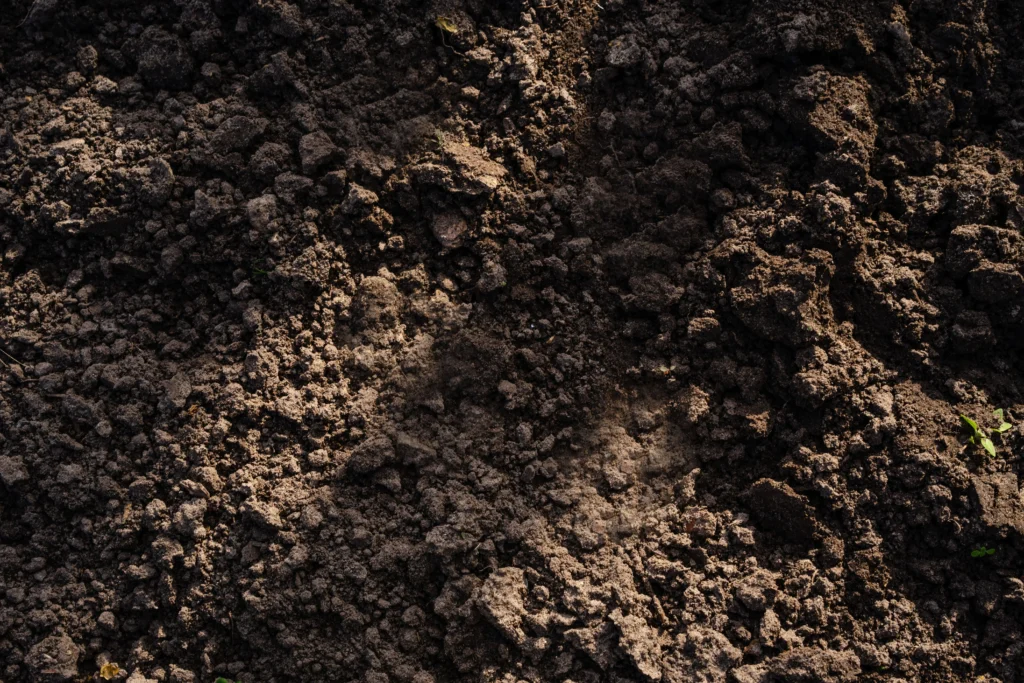
What Is a Topsoil Calculator?
A topsoil calculator is an online topsoil estimator that uses a simple volume formula—Length × Width × Depth—to tell you exactly how much topsoil, fill dirt, or garden soil you need for any landscaping or gardening project. Instead of manually doing the math or guessing at the hardware store, you enter your measurements and get instant, accurate results in every unit you need.
Our topsoil calculator goes further than most. It accounts for different soil types and their densities, lets you add a settling overage factor, calculates weight in tons and pounds, converts volume to bags, and even estimates your total material cost. It is the most complete dirt calculator available for US homeowners, landscapers, and contractors.
According to the usda.gov Soil Health guidelines, topsoil is the most productive layer of soil and directly impacts plant growth and crop yield.
How Does the Topsoil Calculator Work?
Step 1 – Choose Your Area Shape
Select the shape that best matches the area you want to fill. The topsoil calculator supports four shapes:
- Rectangle — enter length and width in feet, yards, meters, or inches
- Circle — enter the radius of a round bed or circular lawn area
- Triangle — enter the base and height for triangular plots
- Known Area — if you already know your square footage, square yards, or acreage, enter it directly
For complex or irregular shapes, divide the space into smaller rectangles, circles, or triangles. Calculate each section separately, then add them together for your total.
Step 2 – Enter the Depth
Enter how deep you want to place your topsoil. The calculator accepts depth in inches, feet, centimeters, or millimeters. Use the Depth Quick Guide table in the calculator to choose the right depth for your project — from a ½-inch top dressing for an existing lawn to 8–18 inches for a raised planting bed.
Step 3 – Select Your Soil Type
Different soil blends have different densities, which changes how much they weigh. Choose from:
- Screened Topsoil — the most common choice for lawns, flower beds, and general landscaping
- Compost / Garden Mix — nutrient-rich blend ideal for vegetable gardens and raised beds
- Fill Dirt — unscreened material used for grading, leveling, and structural filling
- Sandy Loam—excellent for drainage-sensitive projects
- Potting Soil — lightweight mix for containers and planters
- Organic Compost — for eco-conscious gardening and soil amendment
Step 4 – Set Your Overage and Cost (Optional)
Topsoil settles after it is placed, especially if it was loosely dumped. Use the overage slider to add 10–15% extra for typical projects or 20–25% for bulk deliveries. Then enter a price per cubic yard for bulk orders, or a price per bag for bagged purchases, and the topsoil calculator will give you an estimated material cost.
Step 5 – Read Your Results
Hit the Calculate button and your results appear instantly. No page reload, no waiting.
What Do the Topsoil Calculator Results Mean?
Understanding each result helps you order correctly and avoid costly mistakes. Here is what every number means:
Cubic Yards (with coverage)
This is the most important number. Topsoil is sold in bulk by the cubic yard, so this is what you give to your landscaping supplier when placing an order. The figure already includes your chosen overage percentage to account for settling and spillage. One cubic yard equals a space 3 feet wide, 3 feet long, and 3 feet deep — or 27 cubic feet of material.
Cubic Feet
Cubic feet is useful when comparing bag sizes at a home improvement store. Most bagged topsoil in the US is sold in 0.75 cu ft, 1 cu ft, 1.5 cu ft, or 2 cu ft bags. This result, combined with the bags’ count below, tells you exactly how many bags to pull off the shelf.
Tons and Pounds
Weight matters for delivery logistics. Dump trucks have weight limits, and some suppliers quote topsoil pricing per ton rather than per yard. Screened topsoil weighs roughly 2,100 lb per cubic yard. Wet or compacted soil can weigh significantly more—up to 2,400–2,700 lb per cubic yard. Our topsoil calculator uses the correct density for each soil type automatically.
Bags Needed
This tells you how many bags of your selected size to buy. For small projects—a garden patch, a planter, a patch repair—buying bags is more practical than ordering bulk delivery. For anything over 1 cubic yard, bulk delivery almost always saves money.
Area Covered (Square Feet)
This confirms the surface coverage of your project so you can cross-check your measurements. A common question is “How much does 1 yard of topsoil cover?” At 1 inch deep, one cubic yard covers 324 square feet. At 3 inches deep it covers 108 square feet, and at 6 inches it covers 54 square feet.
Estimated Cost
If you entered a price per cubic yard or per bag, the calculator displays your estimated material cost. This does not include delivery fees, taxes, or installation labor—contact your local supplier for a full quote.
How Much Topsoil Do I Need? Depth Guide by Project
The volume of topsoil you need depends directly on how deep your project requires it. Here are the recommended depths for the most common US landscaping and gardening uses:
| Project | Recommended Depth | Notes |
|---|---|---|
| Lawn top-dress | ½ – 1 inch | Light layer to improve soil quality without smothering grass |
| Sod installation | 2 – 4 inches | Level and amend the soil bed before laying sod. |
| New lawn from seed | 4 – 6 inches | Minimum 4 inches for healthy root development |
| Flower beds | 6 – 8 inches | Mix with compost for improved drainage and nutrients. |
| Vegetable garden | 8 – 12 inches | Deep soil supports root vegetables like carrots and potatoes. |
| Raised beds | 8 – 18 inches | Depth depends on the height of your raised bed walls. |
| Filling low spots / levelling | As needed | Use fill dirt for deep fills and top off with screened topsoil. |
| Tree and shrub planting | Hole depth + 6 inches | Backfill the hole and blend with native soil. |
Topsoil for Grass — New Lawns vs. Overseeding
If you’re growing grass from seed, lay down 4–6 inches of screened topsoil before seeding so roots have room to establish. If you’re overseeding or just thickening up an existing lawn, a thin ½–1 inch top dressing is enough—any deeper and you risk smothering the grass that’s already there. Enter your lawn’s square footage and the depth above into the calculator to get your exact cubic yard total.
Tip: Topsoil settles over time — add 5–10% extra to your calculated amount, especially for raised beds.
Topsoil for Larger Areas—Lots, Acreage & Bulk Projects
Not every project is a garden bed. If you’re prepping a new lawn, grading a lot, or spreading topsoil across an acreage-sized property, the same formula scales up—you’ll be ordering by the truckload instead of by the bag.
Cubic Yards = Area (sq ft) × Depth (inches) ÷ 324
| Area | Depth | Cubic Yards Needed | Typical Delivery |
|---|---|---|---|
| 1,000 sq ft | 4″ | 12.3 yd³ | 1–2 truckloads |
| 2,500 sq ft | 4″ | 30.9 yd³ | 2–3 truckloads |
| 5,000 sq ft | 4″ | 61.7 yd³ | 3–5 truckloads |
| 5,000 sq ft | 6″ | 92.6 yd³ | 5–7 truckloads |
| 10,000 sq ft (¼ acre) | 4″ | 123.5 yd³ | 6–10 truckloads |
| 1 acre (43,560 sq ft) | 4″ | 537.8 yd³ | Multiple bulk deliveries |
Example: For 5,000 sq ft at 4 inches deep: 5,000 × 4 ÷ 324 = 61.7 cubic yards. With a 10% overage factor for settling, order 68 cubic yards.
At this scale, always confirm your supplier’s truck capacity—most single-axle dump trucks carry 5–8 cubic yards, while tandem or tri-axle trucks carry 10–14 yards. For anything over 20–30 cubic yards, ask your supplier about a bulk/contractor rate—most offer a discount above this threshold.
How Many Cubic Feet Is a 40 lb Bag of Topsoil?
Home improvement stores often sell topsoil by weight rather than volume. A standard 40 lb bag of topsoil is approximately 0.75 cubic feet—the most common bagged size. Here’s how bag weight maps to volume:
| Bag Weight | Approximate Volume |
|---|---|
| 20 lb | ~0.375 cu ft |
| 40 lb | ~0.75 cu ft |
| 50 lb | ~1 cu ft |
| 80 lb | ~1.5 cu ft |
So if your calculator result is, say, 2 cubic feet, that’s roughly 2–3 bags of 40 lb topsoil, or 1 bag of the larger 50–80 lb size. Weight-based bags vary slightly by moisture content and soil type, so treat this as an estimate—check the bag label for its listed cubic feet if precision matters.
Topsoil Calculator for Grass — New Lawns, Overseeding & Top Dressing
Grass projects need very different depths depending on what you’re actually doing, so it’s worth separating these out before you run the calculator above.
New Lawn From Seed
Lay down 4–6 inches of screened topsoil before seeding. This gives grass roots enough loose, nutrient-rich material to establish deep root systems. Skimping on depth here is the most common reason new lawns struggle in their first summer.
Example: 1,500 sq ft new lawn at 5 inches deep = 1,500 × 5 ÷ 324 = 23.1 cubic yards (25.4 yd³ with 10% overage).
Sod Installation
Prepare the bed with 2–4 inches of topsoil before laying sod. Sod arrives with its own root mat, so it needs less depth than seed—just enough to level the ground and give roots something loose to grow into.
Example: 1,500 sq ft for sod at 3 inches deep = 1,500 × 3 ÷ 324 = 13.9 cubic yards.
Overseeding or Thickening an Existing Lawn
Use a thin ½–1 inch top dressing only. Any deeper and you risk smothering the grass that’s already growing. This is the depth most homeowners underestimate—more is not better here.
Example: 1,500 sq ft top dressing at ¾ inch deep = 1,500 × 0.75 ÷ 324 = 3.5 cubic yards.
Enter your lawn’s square footage above with the depth that matches your project—new lawn, sod, or top dress—to get your exact cubic yard total.
Topsoil Depth Guide
Lawn top-dress: 2 inches
Existing garden bed refresh: 3–4 inches
New garden bed: 4–6 inches
Raised bed fill: 8–12 inches
Topsoil Types — Which One Do You Need?
Screened topsoil is sifted through a mesh screen to remove rocks, clumps, and debris, leaving a clean, even-textured material. It is the best all-around choice for lawns, garden beds, and general landscaping. Density runs around 2,100 lb per cubic yard.
Compost / Garden Mix
This is screened topsoil blended with compost or aged organic matter. It is richer in nutrients, holds moisture better, and supports stronger root growth. Use it for vegetable gardens, raised planting beds, and flower beds where plant performance matters most. It is lighter than screened topsoil at around 1,600 lb per cubic yard.
According to extension.umn.edu, it recommends incorporating 3–4 inches of compost into existing soil to significantly improve structure, drainage, and nutrient availability.
Fill Dirt / Unscreened Topsoil
Fill dirt is raw, unprocessed soil used for structural purposes — grading a yard, filling holes, raising an area’s elevation, or building up a base under hardscapes. It is not suitable for planting on its own but is the most cost-effective option for large-volume jobs. Density is roughly 2,400 lb per cubic yard. Looking for a fill soil calculator instead of topsoil? Select “Fill Dirt” above — it uses the correct unscreened soil density (~2,400 lb/cu yd) for grading, leveling, and structural fill jobs.
Sandy Loam
Sandy loam has a higher sand content, making it free-draining and easy to work with. It is ideal for projects where waterlogging is a concern, or for mixing with heavy clay soils to improve drainage. Weight is around 2,000 lb per cubic yard. Working on a drainage project that mixes soil and stone? Use Sandy Loam above for the soil portion, and head to our Gravel Calculator for river rock or drainage stone sizing (including 3/4″ and larger).
How Big Is a Cubic Yard of Topsoil, Really?
Numbers on a screen don’t always give you a feel for the pile you’re about to have in your driveway. Here’s what different amounts of topsoil actually look like:
- 1 cubic yard — about the size of a washing machine, or a large refrigerator lying on its side. It will roughly fill the bed of a standard pickup truck level with the rails (most trucks max out around 2–3 yards heaped).
- 3 cubic yards—a pile roughly the size of a small car, or about waist-to-chest height in a 10×10 ft area.
- 6 cubic yards—enough to fill a small utility trailer or a pile about the footprint of a two-car garage door laid flat, several feet deep.
- 10 cubic yards — a full single-axle dump truck load; a pile this size will noticeably dominate a driveway or side yard until it’s spread.
Rule of thumb for spreading: 1 cubic yard covers 100 sq ft at 3 inches deep, or 324 sq ft at 1 inch deep. Use these mental anchors to sanity-check your calculator result before you place an order—if the number feels too small or too large for the pile you’re picturing, double-check your depth units (inches vs. feet is the most common mistake).
Weight & Tonnage
One cubic yard of topsoil weighs approximately 1 to 1.3 tons when dry or loose, and up to 1.5–1.7 tons when wet or compacted. If your supplier prices by weight rather than volume, multiply your cubic yard result by 1.1–1.4 tons to estimate the load weight.
How Many Bags Do I Need?
Bagged topsoil commonly comes in 0.75 cubic foot bags. Since there are 27 cubic feet in a cubic yard:
| Area | Depth | Cubic Yards | Bags (0.75 cu ft) |
|---|---|---|---|
| 50 sq ft | 4″ | 0.6 yd³ | ~22 bags |
| 100 sq ft | 4″ | 1.2 yd³ | ~44 bags |
| 200 sq ft | 6″ | 3.7 yd³ | ~133 bags |
| 300 sq ft | 6″ | 5.6 yd³ | ~200 bags |
For anything over 2-3 cubic yards, bulk delivery is almost always cheaper than bags — use the calculator above with your own numbers for an exact count.
Bulk vs. Bagged Topsoil — Which Should You Buy?
| Volume Needed | Best Purchase Method | Typical Format |
|---|---|---|
| Under 0.25 cu yd | Bags | 10–15 bags (0.75–1 cu ft each) |
| 0.25 – 1 cu yd | Bags or bulk | 25–40 bags or a small delivery |
| 1 – 5 cu yd | Bulk delivery | Single dump truckload |
| Over 5 cu yd | Bulk delivery | Multiple loads or large truck |
Bags are convenient for small patches, container gardens, and spot repairs. Bulk delivery is significantly cheaper per cubic yard for larger projects. Most landscaping suppliers offer local delivery for a flat fee — give your cubic yard total from this topsoil calculator in yards to your supplier, and they will handle the rest.
How to Calculate Topsoil Manually
If you want to check your results or do the calculation by hand, here is the formula:
Step 1: Measure the length and width of your area in feet.
Step 2: Measure or decide the depth in inches, then convert to feet by dividing by 12.
Step 3: Multiply all three: Volume (cu ft) = Length × Width × Depth (ft)
Step 4: Divide by 27 to convert to cubic yards: Cubic yards = Cubic feet ÷ 27
Example: A garden bed that is 15 ft long, 8 ft wide, and 6 inches deep:
- Volume = 15 × 8 × 0.5 = 60 cu ft
- Cubic yards = 60 ÷ 27 = 2.22 cubic yards
- With 10% overage: 2.44 cubic yards to order
Our online topsoil calculator handles all of this instantly.
It converts units, applies soil density, calculates weight in tons, and counts bags automatically. No manual math needed.
1 Yard of Topsoil — Weight, Coverage, and Cost
How Much Does 1 Yard of Topsoil Weigh?
The weight of 1 yard of topsoil depends on its type and moisture content:
- Dry screened topsoil: approximately 1.0 – 1.3 tons (2,000 – 2,600 lb)
- Wet or compacted topsoil: approximately 1.5 – 1.7 tons (3,000 – 3,400 lb)
- Compost / garden mix: approximately 0.8 – 1.0 tons (lighter due to organic content)
- Fill dirt: approximately 1.1 – 1.3 tons dry
These figures matter when scheduling delivery — most single-axle dump trucks carry 5–8 yards, while tandem trucks carry 10–14 yards.
<h3>How Much Area Does 1 Yard of Topsoil Cover? </h3>
| Depth | Coverage per Cubic Yard |
|---|---|
| 1 inch | 324 square feet |
| 2 inches | 162 square feet |
| 3 inches | 108 square feet |
| 4 inches | 81 square feet |
| 6 inches | 54 square feet |
| 12 inches | 27 square feet |
Garden Bed Dirt Calculator — Raised Beds Made Simple
Raised garden beds are one of the most common uses for this topsoil calculator in square feet. To get the right amount of garden bed soil, measure the inside length, the inside width, and the full depth of your bed walls. For a typical 4 ft × 8 ft raised bed filled 12 inches deep:
- Volume = 4 × 8 × 1 = 32 cu ft
- Cubic yards = 32 ÷ 27 = 1.19 cubic yards
- With 10% overage: 1.3 cubic yards
Use compost/garden mix or a 50/50 blend of screened topsoil and compost for the best results with vegetables and herbs.
Once your beds are planted, our simple mulch calculator tool can help you figure out how much mulch you need to protect the soil and lock in moisture.
Topsoil vs. mulch—what is the difference?
Topsoil is a planting medium — it goes beneath or around plants to provide the nutrients, structure, and depth roots need to grow. Mulch is a surface covering — a layer placed on top of soil to retain moisture, block weeds, and regulate temperature. You don’t plant into mulch, and topsoil isn’t meant to sit exposed on the surface long-term. Most garden beds use both: topsoil (or a topsoil-compost blend) fills the bed, then a layer of mulch goes on top to protect it. Need mulch instead? Use our mulch calculator.
Frequently Asked Questions
How much topsoil do I need for a 10×10 area?
For a 10 ft × 10 ft area at 4 inches deep (a standard lawn prep depth), you need approximately 1.23 cubic yards of topsoil. At 6 inches deep, that becomes 1.85 cubic yards. Use the topsoil estimator above and enter your exact depth to get the precise figure for your project.
How do I calculate topsoil in cubic yards?
Measure your length and width in feet and your depth in inches. Multiply length × width × (depth ÷ 12) to get cubic feet. Then divide by 27 to get cubic yards. Our topsoil calculator in cubic yards does this automatically and also adds your overage factor.
How many bags of topsoil equal 1 cubic yard?
One cubic yard equals 27 cubic feet. That means:
- 36 bags of 0.75 cu ft
- 27 bags of 1 cu ft
- 18 bags of 1.5 cu ft
- 14 bags of 2 cu ft
What is the difference between topsoil and fill dirt?
Topsoil is the nutrient-rich upper layer of soil that contains organic matter, microorganisms, and minerals that support plant growth. Fill dirt is subsoil — raw, unscreened material with no significant organic content. Fill dirt is used for structural filling and grading. Topsoil goes on top for planting. Use this dirt calculator to estimate either one.
How deep should topsoil be for a new lawn?
For seeding a new lawn, the recommended depth is 4–6 inches. This gives grass roots enough room to establish properly. For sod, 2–4 inches of prepared screened topsoil is sufficient. Top dressing an existing lawn only requires ½ to 1 inch.
Should I buy topsoil by the yard or by the ton?
Most US suppliers sell bulk topsoil by the cubic yard. Some sell by the ton. If your supplier quotes per ton, use the weight result from this topsoil calculator in tons to convert. Screened topsoil weighs roughly 1 ton per cubic yard when dry, so the numbers are usually close — but always confirm the density with your supplier.
Does topsoil settle after delivery?
Yes. Freshly delivered or placed topsoil — especially screened topsoil and compost mix — can settle 10–20% as it compacts and moisture redistributes. Always add at least 10% overage to your order. For raised beds that will be watered regularly, add 15–20% to avoid ending up short.
How much does a cubic yard of topsoil cost?
Bulk screened topsoil in the US typically costs $20–$60 per cubic yard depending on your region, soil quality, and supplier. Delivery adds $50–$150 or more. Bagged topsoil at home improvement stores costs $4–$8 per 40 lb bag, which works out to roughly $100–$150 per cubic yard—significantly more expensive than bulk for larger projects.
Can I use this calculator for fill dirt?
Yes. Select “Fill Dirt” as the soil type in the dirt calculator, and it will apply the correct higher density (approximately 2,400 lb per cubic yard) to give you an accurate weight and cost estimate. The volume formula is the same regardless of material type.
What if my area is an irregular shape?
Divide your irregular space into smaller rectangles, triangles, or circles. Calculate each section using the topsoil calculator separately, then add the cubic yard results together. For “”L”-shaped or “”U”-shaped areas, breaking them into two or three rectangles takes only a minute and gives you an accurate total.
How many cubic yards of topsoil for 100 sq ft?
At 4 inches deep: 1.23 cubic yards. At 6 inches: 1.85 cubic yards.
How many bags of topsoil equal one cubic yard?
13.5 bags of 2 cu ft topsoil = 1 cubic yard. Always round up to 14 bags.
Is topsoil sold by the yard or bag?
Both. Bulk topsoil is sold by the cubic yard (cheapest for large areas).
Bagged topsoil comes in 1-, 1.5-, and 2-cubic-foot bags for small projects.
How many cubic feet are in a yard of soil?
One cubic yard of soil equals 27 cubic feet. This is true regardless of soil type — screened topsoil, fill dirt, or garden mix all use the same volume conversion; only the weight per cubic yard changes.
What is a good topsoil yardage calculator formula?
Multiply length (ft) × width (ft) × depth (ft), then divide by 27 to get cubic yards. If your depth is in inches, divide it by 12 first to convert to feet. This is the exact formula the calculator above runs automatically.
Is a fill dirt calculator different from a topsoil calculator?
No — the volume formula is identical. The only difference is density. Fill dirt is heavier and unscreened (no organic content), so it’s used for grading and structural fill rather than planting. Select “Fill Dirt” in the calculator above to get the correct weight for that material.
How much topsoil do I need for a raised bed?
For a standard 12″ deep raised bed, multiply your bed’s square footage by 1 foot, then divide by 27 to get cubic yards. A 4×8 ft bed at 12″ deep needs about 1.2 cubic yards.
How is topsoil sold — by the yard or by weight?
Most suppliers sell topsoil by the cubic yard for bulk delivery and by weight (tons) for larger commercial orders. Both measurements are interchangeable using the 1–1.3 tons per cubic yard estimate above.
What's the difference between topsoil and garden soil?
Topsoil is unamended natural soil, while garden soil is topsoil blended with compost and other amendments for better plant growth. Use topsoil for filling and grading, and garden soil (or a topsoil-compost mix) for planting beds.
How much does a cubic yard of topsoil cover?
One cubic yard covers 324 square feet at 1 inch deep, 108 square feet at 3 inches deep, or 81 square feet at 4 inches deep.
How many cubic yards are in a ton of topsoil?
One ton of screened topsoil is approximately 0.75 cubic yards (since a cubic yard weighs roughly 1–1.3 tons). If your supplier quotes topsoil by the ton and you need to convert to yards, divide your ton total by 1.1–1.3, depending on moisture. For fill dirt, which is denser, a ton works out to closer to 0.65–0.7 cubic yards.
Is this a screened topsoil calculator?
Yes. Select “Screened” as your soil type above, and the calculator applies the correct density (~2,100 lb per cubic yard) used for lawns, garden beds, and general landscaping. Screened topsoil has been sifted to remove rocks, clumps, and debris, so it’s the standard choice for any project where topsoil will be visible or planted into directly—as opposed to fill dirt, which is unscreened and used only for structural grading.
Topsoil vs. Compost — Which Do You Need?
Topsoil is the base material that fills space and supports root structure. Compost is a soil amendment — rich in organic matter—that’s mixed into topsoil to boost fertility, not used alone as fill. For new garden beds, most growers use a 50/50 blend or fill with topsoil and top-dress with 1–2 inches of compost. Use this calculator for your topsoil volume, then head to our Compost Calculator to size the compost layer separately.
A mulch calculator estimates the amount of mulch needed for landscaping projects quickly and accurately.

Quick Links
Get In Touch
Street 7171 W Irving Park Rd, Chicago, Illinois, 60634, United States
Email: info@mulchcalculatoronline.com
Disclaimer
The results provided by this mulch calculator are for estimation purposes only. Calculations are based on the measurements and depth you enter and are intended as a general guide to help you plan your project. Actual material needs may vary depending on settling, waste, irregular bed shapes, and the specific mulch product you purchase. We recommend adding 10–15% to your estimated total to account for variations. Always consult your local supplier for product-specific coverage rates before placing a final order. We are not responsible for over-purchasing, under-purchasing, or any costs incurred based on estimates generated by this tool.
© All Rights Reserved.