
Manure Calculator
Depth quick guide
| Application | Depth |
|---|---|
| Top-dressing lawn | 0.25–0.5 in |
| Garden bed (composted) | 1–2 in |
| New bed / soil building | 2–3 in |
| Raised bed mix-in | 1–2 in mixed into soil |
Overage & cost
What Is a Manure Calculator?
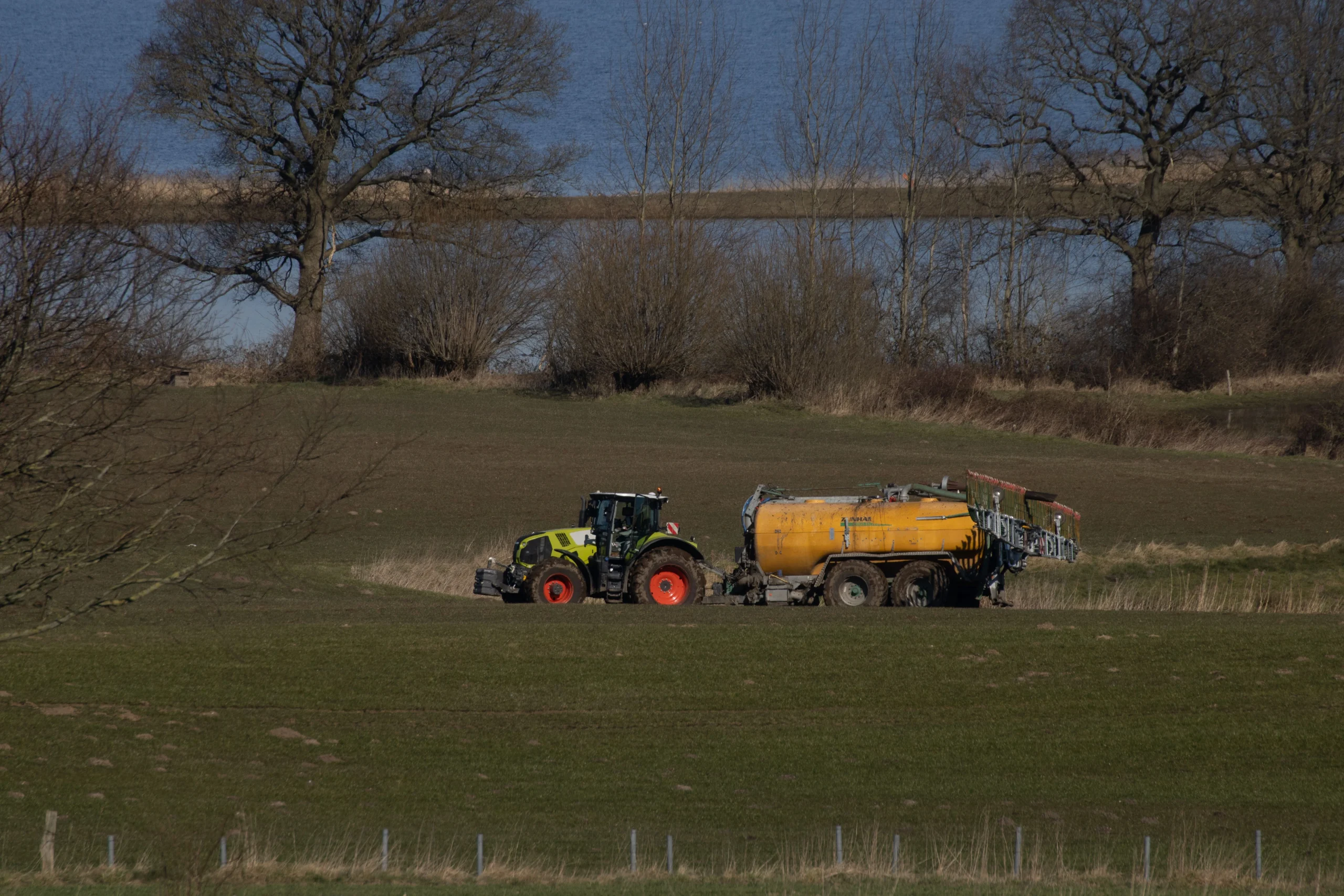
This free online manure calculator tells you exactly how much you need for a garden bed, lawn, or raised bed—based on the area you’re covering and how deep you want to apply it. Instead of guessing or over-ordering “just in case,” you enter your measurements once and get a precise figure in cubic yards, cubic feet, weight, and bag count.
It follows the same volume math as compost, topsoil, and mulch—area multiplied by depth—but behaves a little differently once you account for moisture, nitrogen content, and how soon it’s safe to plant. This tool handles that by letting you choose the type you’re working with and adjusting the weight and safety guidance accordingly.
Whether you’re looking for help for garden beds, trying to figure out how much compost you need, or a quick formula for calculating what’s needed for a raised bed, this page covers all of it in one place.
How Does It Work?
The calculator runs through the same five steps every time, regardless of bed shape or manure type:
Step 1—Calculate the Area
Depending on your bed shape, the calculator uses one of these formulas:
- Rectangle: Area (sq ft) = Length × Width
- Circle: Area (sq ft) = π × radius²
- Triangle: Area (sq ft) = ½ × Base × Height
- Known area: enter your square footage directly if you already measured it
You can add multiple areas — a vegetable patch, a flower bed, and a raised bed, for example — and the calculator totals them automatically.
Step 2 — Convert Depth to Feet
This material is applied much thinner than mulch or topsoil. Depth is entered in inches, feet, or centimeters, then converted internally to feet: Depth (ft) = Depth (inches) ÷ 12.
Step 3 — Calculate Volume
Volume (cubic feet) = Area (sq ft) × Depth (ft). This is the raw cubic footage before any overage is added.
Step 4 — Apply the Right Density
Each type has a different weight per cubic yard — fresh material is heavier and wetter than an aged, composted version, and chicken droppings are denser than horse waste mixed with bedding. The tool applies the correct density automatically based on your selection.
Step 5 — Convert to Cubic Yards, Bags, and Cost
Cubic yards = cubic feet ÷ 27. From there, the calculator divides by your selected bag size to get a bag count and multiplies by your entered price to estimate total cost.
Quick shortcut formula, if you want to check the math by hand:
Cubic Yards = Area (sq ft) × Depth (inches) ÷ 324
Example: 100 sq ft at 2 inches deep → 100 × 2 ÷ 324 = 0.62 cubic yards.
This manure calculator handles all five steps automatically so you don’t have to do the math by hand.
Understanding Your Results
Here’s what each number in your manure calculator results actually means:
Cubic Yards (with overage)
The number to give a bulk supplier if you’re ordering by delivery. This already includes your settling/overage percentage, so you don’t need to add extra on top.
Cubic Feet
Useful for comparing bagged products at a garden center, since bag sizes are labeled in cubic feet.
Estimated Weight (lbs)
This weight varies a lot by type and moisture content. An aged, composted version is lighter and easier to handle; a fresh one is heavier and wetter. This figure helps you judge how many trips, how much truck weight, or how many bags you’re physically moving.
Bags Needed
Your total volume (or weight, if you selected a 40 lb bag size) divided by your chosen bag size, rounded up so you don’t come home short.
Total Area (sq ft)
A quick way to double-check your measurements match what you intended to cover.
Estimated Cost
If you entered a price per cubic yard or per bag, this shows your total estimated material cost—before delivery fees or tax.
Manure Calculator Depth Guide: How Much Do I Need?
| Application | Recommended Depth |
|---|---|
| Top-dressing an existing lawn | 0.25–0.5 inch |
| Established garden bed (composted) | 1–2 inches |
| New bed / building soil from scratch | 2–3 inches |
| Raised bed, mixed into existing soil | 1–2 inches mixed in, not layered on top |
As a general rule, composted material is applied much thinner than mulch or topsoil — usually no more than 1–3 inches — because it’s a soil amendment, not a surface cover. Going much deeper risks nutrient burn and runoff rather than added benefit.
Fresh vs. Aged — Which Should You Use?
This is one of the most common questions people have before they even open a calculator, so it’s worth covering directly:
- Aged or composted material has broken down enough that it’s safe to apply directly around plants, including vegetables. It’s lower odor, lower risk of burning roots, and ready to use right away.
- A fresh batch is still high in ammonia and can carry pathogens. According to land-grant university guidance, you should leave 90–120 days between application and harvest depending on whether the crop touches the soil. Many gardeners apply it in fall and let it break down over winter before spring planting.
- Chicken and other poultry droppings are much higher in nitrogen than cow or horse waste, so they’re typically used in smaller amounts or composted longer before use—applying them fresh and thick is a common way to burn plants.
The calculator above flags this automatically: selecting the fresh or chicken type shows a composting reminder so you don’t accidentally apply either too heavily or too soon.
How Much Compost or Soil Amendment Do I Need? Quick Examples
Example 1 — Small Garden Bed
Area: 10 ft × 8 ft = 80 sq ft | Depth: 2 inches (composted) | Volume: 80 × 2 ÷ 324 = 0.49 cubic yards ≈ 0.5 cubic yards
Example 2 — Raised Bed Mix-In
Area: 4 ft × 8 ft = 32 sq ft | Depth: 1.5 inches mixed into existing soil | Volume: 32 × 1.5 ÷ 324 = 0.15 cubic yards
Example 3 — New Garden Bed, Building Soil
Area: 200 sq ft | Depth: 3 inches | Volume: 200 × 3 ÷ 324 = 1.85 cubic yards — order 2 yards in bulk, or roughly 25 bags at 1.5 cu ft each.
All three examples can be verified instantly using the calculator above.
Common questions people ask before using the manure calculator above
Is there a manure calculator for gardens?
Yes—the tool above is built specifically for this material, fresh or composted. It uses the same volume math as our mulch and topsoil calculators (area × depth), but applies the right density values and a composting safety note for high-nitrogen types
How much manure do I need for a garden?
For an established bed, apply 1–2 inches of the composted version. For a 100 sq ft bed at 2 inches deep, that works out to roughly 0.6 cubic yards. Enter your exact bed size into the calculator above for a precise figure.
How much compost do I need?
Compost is typically applied as a 1–2 inch layer when top-dressing existing soil or mixed in at 2–3 inches when building a new bed. For a 100 sq ft bed at 2 inches, that’s about 0.6 cubic yards, or roughly 8 standard 2 cu ft bags.
How much manure do I need per square foot?
At a 2-inch depth, you need about 0.0062 cubic yards per square foot. For most home gardens, it’s easier to enter your total square footage into the calculator above and let it handle the conversion.
How much compost do I need for a raised bed?
For a typical 4 ft × 8 ft raised bed filled with a compost-soil blend at full depth, you’ll need roughly 1–1.3 cubic yards depending on wall height. If you’re only top-dressing or mixing it into existing raised-bed soil, 1–2 inches mixed in is usually enough—select “Raised bed mix-in” in the depth guide above.
How much compost do I need per square metre?
Switch the calculator’s depth unit to centimeters and enter your area—it will return cubic yards and cubic feet directly, no manual metric conversion needed
Fresh vs. aged manure — which should I use?
Use the aged or composted version if you’re planting soon, especially around vegetables—it’s safe for direct contact. Use a fresh batch only if you can let it sit for 90–120 days before planting, since it can burn roots and carry pathogens if applied too early.
How long before I can plant after adding manure?
With an aged, fully composted batch, you can plant right away. With a fresh one, wait at least 90–120 days and longer for root vegetables or anything that touches the soil directly, like carrots or lettuce.
Can I use this calculator for cow, horse, or chicken manure?
Yes. Select your type in the calculator above, and it will apply the correct density for an accurate weight estimate. Chicken and other poultry droppings are flagged with a composting reminder since they’re much higher in nitrogen and easier to over-apply.
How do I calculate how much compost or manure I need?
Multiply your area in square feet by your desired depth in inches, then divide by 324 to get cubic yards. Example: 200 sq ft at 2 inches → 200 × 2 ÷ 324 = 1.23 cubic yards. The calculator above does this automatically and adds your chosen overage percentage.
What's a good manure calculator formula?
Cubic Yards = Area (sq ft) × Depth (inches) ÷ 324. This works for this material, compost, topsoil, or mulch—the only thing that changes between materials is the recommended depth and the density used for weight calculations.
How much does manure weigh per cubic yard?
It depends heavily on moisture and type. An aged, composted batch is generally lighter than a fresh one, and chicken droppings tend to be denser than horse waste mixed with bedding. The calculator applies a different estimated density for each option you select, but actual weight can vary by supplier.
Can I use a manure calculator for compost too?
Yes — both use identical volume math. Select “Aged / Composted” or “Mushroom Compost” in the type selector above for the closest density match.
Need a Different Material?
Looking to cover your beds after using the manure calculator to amend the soil? Use our free Mulch Calculator to figure out exactly how many bags or cubic yards of mulch you need for any bed shape, including circles and tree rings.
You might also find these useful:
- Topsoil Calculator — for filling raised beds, leveling, or new lawns
- Compost Calculator — for top-dressing and soil amendment
- Gravel Calculator — for paths and drainage
A mulch calculator estimates the amount of mulch needed for landscaping projects quickly and accurately.

Quick Links
Get In Touch
Street 7171 W Irving Park Rd, Chicago, Illinois, 60634, United States
Email: info@mulchcalculatoronline.com
Disclaimer
The results provided by this mulch calculator are for estimation purposes only. Calculations are based on the measurements and depth you enter and are intended as a general guide to help you plan your project. Actual material needs may vary depending on settling, waste, irregular bed shapes, and the specific mulch product you purchase. We recommend adding 10–15% to your estimated total to account for variations. Always consult your local supplier for product-specific coverage rates before placing a final order. We are not responsible for over-purchasing, under-purchasing, or any costs incurred based on estimates generated by this tool.
© All Rights Reserved.