Fill Dirt Calculator
Fill Dirt Calculator — How Much Fill Dirt Do You Need?
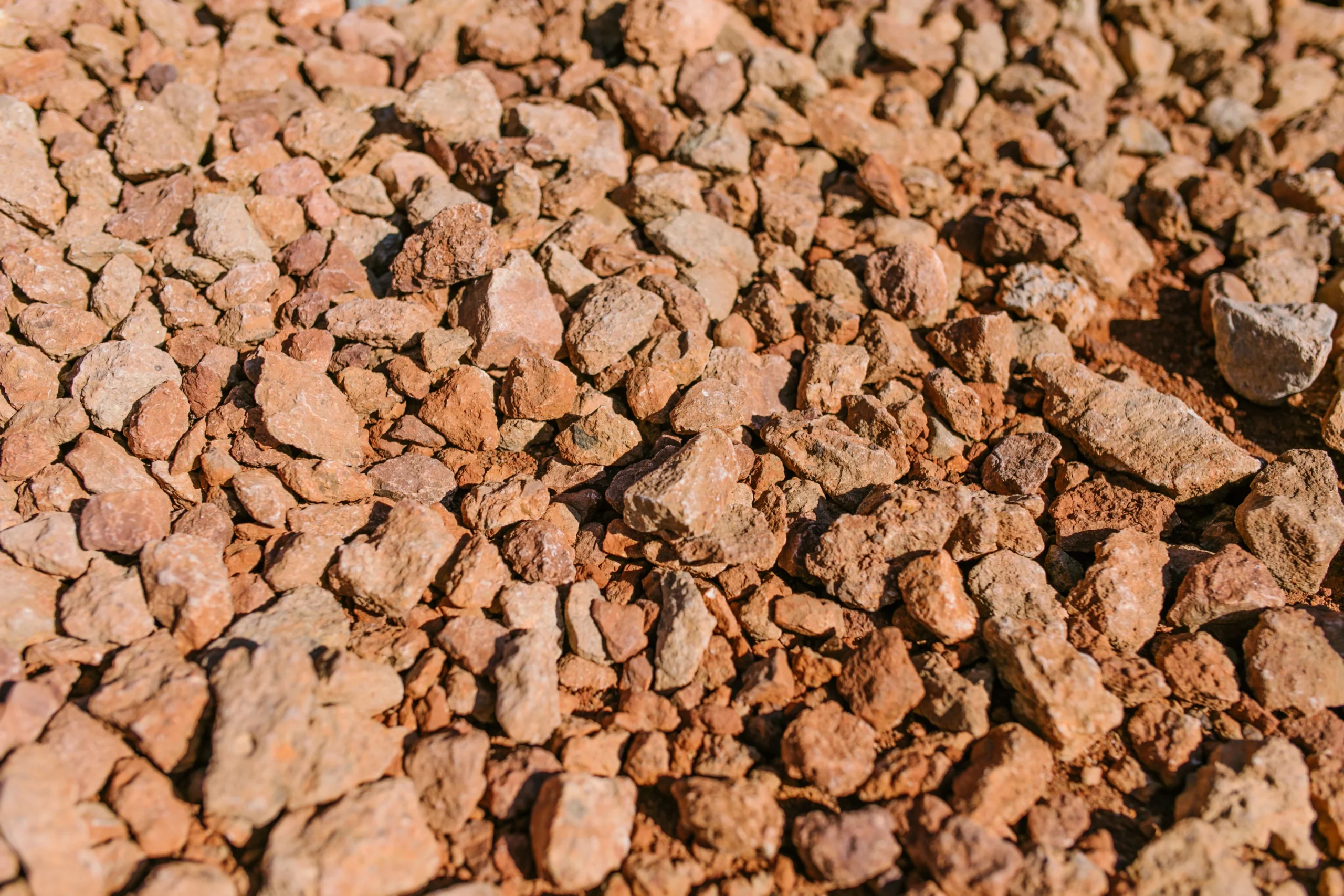
Our free fill dirt calculator tells you exactly how much fill dirt you need for grading, backfilling, leveling, or foundation work. Enter your area’s length, width, and depth, and instantly get cubic yards, tons, truckloads, and an estimated cost—no guesswork, no wasted delivery trips.
Whether you’re backfilling around a new foundation, leveling a low spot in the yard, filling a trench after utility work, or raising a low-lying area before landscaping, getting the volume right the first time saves you money and a second delivery. If you’re covering beds or finishing a landscaping project on top of your fill, our accurate mulch calculator for any yard size can size that layer for you
What Is Fill Dirt?
Fill dirt is subsoil — the layer of earth found below topsoil — used to raise, level, or fill in low areas of land. It typically contains a mix of clay, sand, rock, and small stones, and it’s screened to remove large debris but not screened for nutrients or organic matter the way topsoil is.
Fill dirt is not the same as topsoil. The two are often confused, but they serve completely different jobs:
| Fill Dirt | Topsoil | |
|---|---|---|
| Composition | Subsoil—clay, sand, small rock | Organic-rich surface soil |
| Purpose | Grading, backfill, structural fill | Growing lawns, gardens, plants |
| Nutrients | None | Rich in nutrients and microorganisms |
| Compaction | Compacts well — ideal for stability | Compacts poorly — bad for structural use |
| Typical use | Foundations, trenches, driveways, leveling | Flower beds, lawns, raised beds |
If you’re planting anything—grass, shrubs, or a garden bed—you want our Topsoil Calculator, not this one. If you’re filling, leveling, or backfilling and nothing needs to grow in it, fill dirt is the right (and cheaper) material.
How Does the Fill Dirt Calculator Work?
The calculator uses the same volume math professional contractors use to order fill dirt by the yard or the ton.
Step 1 — Calculate the area. Area (sq ft) = Length × Width
Step 2 — Convert depth to feet. Depth is usually entered in inches, so the calculator divides by 12: Depth (ft) = Depth (in) / 12
Step 3 — Calculate volume. Cubic Feet = Area (sq ft) × Depth (ft)
Step 4 — Add a compaction allowance. Fill dirt settles and compacts after it’s placed and tamped down — typically 10–20% — so the calculator lets you add a compaction allowance to make sure you don’t come up short once the material is packed.
Step 5 — Convert to cubic yards. Cubic Yards = Cubic Feet ÷ 27 (the standard unit fill dirt is sold and delivered by)
Step 6 — Convert to tons. Tons = (Cubic Yards × 2,500 lbs) ÷ 2,000. This uses an average weight of 2,500 lbs per cubic yard—see the weight table below for the full range.
Step 7 — Calculate cost. Multiply your cubic yards (or tons) by your local price per unit, then add any delivery fee.
Quick reference formula: Cubic Yards = (Length × Width × Depth in inches) ÷ 324
Understanding Your Fill Dirt Calculator Results
Cubic Feet—the raw volume of your project area. Useful for small jobs or if you’re hauling dirt yourself in a truck bed or trailer measured in cubic feet.
Cubic Yards—the standard unit fill dirt is priced and delivered by. This is the number you give your supplier when ordering bulk delivery.
Estimated Tons—Many suppliers, especially for larger jobs, price and deliver fill dirt by the ton rather than the yard. This result converts your volume to weight using the average density of fill dirt.
Truck Loads—an estimate of how many standard 10-cubic-yard dump truck loads your project will require, useful for scheduling deliveries on larger grading or foundation jobs.
Estimated Cost — your total volume (or weight) multiplied by your entered price per unit, plus any delivery fee you add. This gives you a number to budget against before you call a supplier.
Fill Dirt Weight & Tonnage Reference
Fill dirt’s weight varies more than topsoil or mulch because it’s denser and its moisture content changes how heavy it is.
| Condition | Weight per Cubic Yard |
|---|---|
| Dry, loose fill dirt | ~2,000 lbs |
| Average fill dirt (typical moisture) | ~2,500 lbs |
| Wet or heavily compacted fill dirt | ~2,700 lbs |
Quick conversions:
| Amount | Approx. Weight |
|---|---|
| 1 cubic yard | 2,000–2,700 lbs (1–1.35 tons) |
| 5 cubic yards | 5–6.75 tons |
| 10 cubic yards | 10–13.5 tons |
| 1 ton | Roughly 0.75 cubic yards |
Because of this range, always confirm your supplier’s specific density figure if you’re ordering by the ton for a project with tight tolerances, like a foundation or structural fill job.
How Much Fill Dirt Do I Need? Common Project Examples
Example 1 — Backfilling a foundation trench: 40 ft long × 2 ft wide × 3 ft deep = 240 cubic feet = 8.9 cubic yards → order 9 yards, roughly 12 tons.
Example 2 — Leveling a low spot in the yard: 15 ft × 10 ft area at 6 inches deep = 75 cubic feet = 2.8 cubic yards → about 4 tons, well within a single small-truck delivery.
Example 3—Raising a driveway base: 60 ft × 12 ft at 4 inches deep, plus 15% compaction allowance = 276 + 41 = 317 cubic feet = 11.7 cubic yards → roughly 2 truck loads.
Example 4 — Filling a pool excavation: A 20 ft × 15 ft × 4 ft deep pool cavity = 1,200 cubic feet = 44.4 cubic yards → about 4–5 standard truck loads and roughly 55 tons.
Bulk Fill Dirt vs. Bagged: Which Should You Buy?
Fill dirt is almost never sold bagged the way mulch or topsoil sometimes is—nearly every supplier sells it exclusively in bulk by the cubic yard or ton, because the volumes needed for grading and backfill work are typically too large for bags to make sense. Even small residential jobs (2–3 cubic yards) are usually cheaper and easier as a bulk delivery than trying to source bagged fill.
If your project needs less than half a cubic yard, some hardware stores sell bagged “fill dirt” or “topsoil/fill blend,” but check the label—many of these are actually topsoil, not true subsoil fill.
Frequently Asked Questions
How much fill dirt do I need for a foundation?
It depends on your foundation’s perimeter, trench width, and backfill depth—but as a rule of thumb, a typical residential foundation backfill needs 1–3 cubic yards per 10 linear feet of trench at standard depth. Measure your trench length, width, and depth and enter them above for an exact figure, and always add a 10–15% compaction allowance since backfill settles significantly once tamped.
Fill dirt vs. topsoil — what's the difference?
Fill dirt is subsoil with no organic content, used for grading, leveling, and backfilling structural areas—it compacts well and stays stable. Topsoil is the nutrient-rich surface layer used for growing grass, gardens, and plants, and it compacts poorly, which makes it a bad choice anywhere structural stability matters. Use fill dirt under structures and hardscaping; use topsoil only in the top few inches where something needs to grow.
How much does a truckload of fill dirt cost?
A standard 10-cubic-yard dump truck load of fill dirt typically costs $150–$450 depending on your region, delivery distance, and whether the dirt is screened or unscreened. Material alone often runs $10–$25 per cubic yard, with delivery fees adding $50–$200 depending on distance from the supplier’s yard.
How much does fill dirt cost per ton?
Fill dirt generally costs $8–$20 per ton for the material itself, before delivery. Ordering by the ton rather than the yard is common for larger commercial or construction jobs where suppliers weigh trucks at a scale.
Is fill dirt sold by the yard or by the ton?
Both—it depends on your supplier. Landscaping yards commonly sell by the cubic yard, while quarries and construction material suppliers often sell and deliver by the ton, especially for larger volumes. Use the toggle in the calculator above to price your project either way.
Can I use regular dirt from my yard as fill dirt?
Not reliably. Dirt dug from your own yard is usually a mix of topsoil and subsoil with inconsistent composition, and it may contain roots, organic debris, or debris that will decompose and cause the fill to settle unevenly over time. For anything structural—foundations, driveways, retaining walls—use screened fill dirt from a supplier so the material is consistent and compacts predictably.
How much does fill dirt weigh?
Fill dirt weighs approximately 2,000 lbs per cubic yard when dry and loose, up to about 2,700 lbs per cubic yard when wet or compacted. Most suppliers use an average of around 2,500 lbs per cubic yard for pricing and delivery weight estimates.
Do I need to compact fill dirt after it's delivered?
Yes, for any structural use—foundations, driveways, patios, and retaining walls—fill dirt should be spread in layers (called “lifts”) of 6–8 inches and compacted with a plate compactor or roller between each layer. Uncompacted fill will settle unevenly over months or years, which is why the calculator includes a compaction allowance in your total.
How many cubic yards of fill dirt are in a dump truck?
Standard dump trucks typically carry 10–14 cubic yards per load, though smaller trucks (5–7 cubic yards) are common for residential deliveries with tighter driveway access. Confirm your supplier’s truck capacity when scheduling, especially for larger orders that may need multiple trips.
Can fill dirt be used for a garden or raised bed?
No — fill dirt has no organic matter or nutrients and isn’t intended for plant growth. For raised beds or garden areas, use topsoil or a garden soil blend instead; our Raised Bed Soil Calculator is built specifically for that.
Finishing the job with a mulch layer on top? Our mulch calculator works out exactly how much you’ll need once the fill is graded and settled.
A mulch calculator estimates the amount of mulch needed for landscaping projects quickly and accurately.

Quick Links
Get In Touch
Street 7171 W Irving Park Rd, Chicago, Illinois, 60634, United States
Email: info@mulchcalculatoronline.com
Disclaimer
The results provided by this mulch calculator are for estimation purposes only. Calculations are based on the measurements and depth you enter and are intended as a general guide to help you plan your project. Actual material needs may vary depending on settling, waste, irregular bed shapes, and the specific mulch product you purchase. We recommend adding 10–15% to your estimated total to account for variations. Always consult your local supplier for product-specific coverage rates before placing a final order. We are not responsible for over-purchasing, under-purchasing, or any costs incurred based on estimates generated by this tool.
© All Rights Reserved.