
Circle Mulch Calculator
Circle Mulch Calculator: 5 Easy Steps to Perfect Coverage
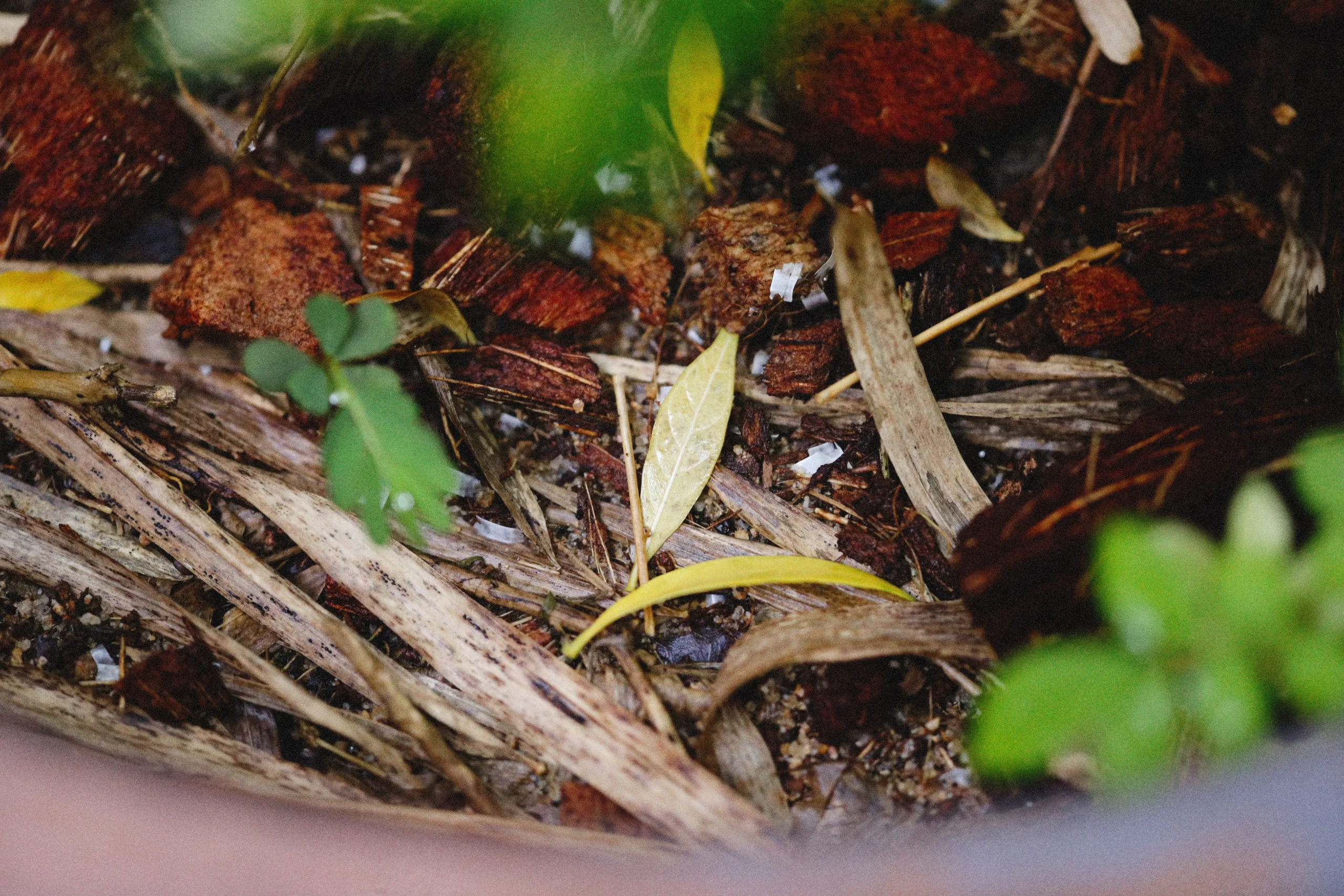
Round flower beds and tree rings are some of the trickiest shapes to estimate material for, which is exactly why a circle mulch calculator exists. Instead of guessing or reaching for a tape measure and a math textbook, you can plug in two simple numbers and get an instant, reliable answer for how much mulch your circular bed actually needs.
What Is a Circle Mulch Calculator?
A circle mulch calculator is a small online tool built to solve one specific problem: figuring out how much mulch is required to cover a circular area, such as a tree ring, a round flower bed, or a circular playground border. Unlike a generic mulch calculator that assumes a rectangle, this version is built around the geometry of a circle, using the diameter (or radius) and the desired depth of mulch to work out volume.
Homeowners searching for a mulch estimator, a mulch calculator for playground areas, a rubber mulch calculator, or a bark mulch calculator often run into the same issue: their bed isn’t a square; it’s round. That’s where a purpose-built circular tool saves time and prevents over-ordering or under-ordering material. It solves the same underlying problem people run into with a topsoil calculator, a compost calculator, or a plain dirt calculator, since every one of these tools depends on getting the shape of the bed right before the volume math even starts.
How This Circular Mulch Tool Works
The math behind the circle mulch calculator is straightforward once it’s broken down into steps:
- Measure the diameter. Stand at one edge of the circle and measure straight across to the opposite edge, in feet or inches, depending on US standard preference.
- Divide by two to find the radius. The radius is simply half the diameter.
- Calculate the area. The formula is area = π × radius². This gives you the flat, two-dimensional footprint of the bed in square feet.
- Choose your depth. A typical mulch depth is 2 to 4 inches; most landscapers recommend 3 inches as a balance between weed suppression and drainage.
- Multiply area by depth. Once the depth is converted to feet, multiplying it by the area gives the volume in cubic feet.
- Convert to cubic yards or bags. Since mulch is usually sold by the cubic yard in bulk, or in 2 cubic foot and 3 cubic foot bags at garden centers, the calculator converts the raw cubic footage into whichever unit you buy.
This is the same underlying formula used by any topsoil calculator or compost calculator, just applied to a round shape instead of a rectangular one, which is why so many people searching for how much mulch I need for a flower bed or how much mulch I need for a tree ring end up needing the circular version specifically rather than a standard square-footage tool.
For anyone measuring by hand first, it helps to know that a single cubic yard of loose material covers about 100 square feet at a 3-inch depth, or about 162 square feet at 2 inches. Those rough benchmarks are useful for a quick gut check before you trust the exact output, especially on larger playground bark or landscape jobs where a small measuring error can throw off an entire bulk order.
Calculating mulch for a tree ring (circle with a hole)
If you’re mulching around a tree rather than filling a solid circle, you need to subtract the trunk gap from your total area. The formula is:
Ring Area = (π × Outer Radius²) − (π × Inner Radius²)
Example: a 6 ft outer radius with a 1 ft gap around the trunk, at 3 inches deep—the outer area is 113.1 sq ft, inner area is 3.14 sq ft, so ring area is 110 sq ft. That works out to about 1 cubic yard, or 14 bags at 2 cu ft each.
Diameter reference table
| Diameter | Area (sq ft) | Cubic Yards @ 2″ | Cubic Yards @ 3″ (standard) | Cubic Yards @ 4″ | Bags (2 cu ft) @ 3″ |
|---|---|---|---|---|---|
| 6 ft | 28.3 | 0.17 | 0.26 | 0.35 | 4 |
| 8 ft | 50.3 | 0.31 | 0.47 | 0.62 | 7 |
| 10 ft | 78.5 | 0.48 | 0.73 | 0.97 | 10 |
| 12 ft | 113.1 | 0.70 | 1.05 | 1.40 | 15 |
| 15 ft | 176.7 | 1.09 | 1.64 | 2.18 | 23 |
| 20 ft | 314.2 | 1.94 | 2.91 | 3.88 | 40 |
All figures were rounded up to the nearest whole bag. For diameters not listed, use the calculator above for an exact figure.
What the calculator results actually Mean
Once you hit calculate, you’ll typically see four separate figures, and each one answers a different question:
- Area (square feet): This tells you the size of the surface you’re covering. It’s useful on its own if you’re comparing prices per square foot with a landscaper.
- Cubic feet: This is the raw volume of mulch needed once depth is factored in. It’s the number most bagged mulch is priced against.
- Cubic yards: Bulk mulch suppliers almost always sell by the cubic yard, so this figure tells you exactly how much to order if you’re buying in bulk rather than by the bag.
- Number of bags: Since most bags come in 2 cubic foot or 3 cubic foot sizes, the result rounds up to the nearest whole bag so you don’t come up short mid-project.
Rounding up slightly is intentional. Ground isn’t perfectly flat, mulch settles over the first few weeks, and having a small buffer means you won’t need a second trip to the store.
Why Getting the Measurement Right Matters
Small errors in diameter compound quickly because area scales with the square of the radius. Being off by just one foot on a 10-foot diameter bed can shift the total volume by close to 20 percent, which on a bulk order can mean an entire extra cubic yard sitting unused or a return trip mid-project.
Depth matters as much as diameter. A shallow 2-inch layer retains moisture without smothering roots, while anything beyond 4 inches around most shrubs can trap excess moisture and encourage rot. Playground surfacing is the exception, where safety codes call for a deeper cushioning layer.
Measuring twice before ordering is the single habit that prevents the two most common landscaping frustrations: running out mid-job or paying extra to have leftover mulch hauled away.
Covering Other Related Mulch and Soil Questions
People asking how much mulch, how to calculate mulch, or how many bags of mulch they need for a round bed are really asking the same underlying question in different words: what volume of material fills this space at this depth?
For rectangular or irregular beds, a standard length-times-width mulch calculator works better than a radius-based formula. But for tree rings, round garden beds, or any bed measured by a single diameter, this circular approach gives a more accurate result — forcing a round shape into a square formula tends to overestimate material by roughly 27 percent.
Try the Full Mulch Calculator Suite
If your project includes more than one bed shape, or you also need to estimate topsoil, compost, or bulk soil delivery alongside mulch, the circle mulch calculator is part of a larger easy-to-use mulch calculator for homeowners suites that works for rectangles, circles, triangles, trapezoids, tree rings, and irregular areas in one place, along with unit conversions for cubic yards, cubic feet, and standard bag sizes.
Frequently Asked Questions
How much mulch do I need for a 10 foot circle?
At a 10-foot diameter and a standard 3-inch depth, you’d need roughly 1.8 cubic yards, or about 29 bags at 2 cubic feet each.
Is a circle mulch calculator different from a regular mulch calculator?
Yes. A regular calculator multiplies length by width for square or rectangular beds, while the circular version uses radius and π to account for curved edges, which produces a more accurate volume for round beds.
How deep should mulch be around a tree?
Most arborists recommend 2 to 4 inches, staying a few inches back from the trunk itself to avoid moisture buildup against the bark.
Do I need extra mulch beyond the calculated amount?
A small buffer of 10 percent is a common practice, since mulch compacts and settles within the first month after application.
What's the difference between cubic feet and cubic yards in the results?
Cubic feet is the smaller unit typically used for bagged mulch, while cubic yards is the standard unit for bulk mulch delivery; one cubic yard equals 27 cubic feet.
Can I use the same formula for rubber mulch or playground bark?
Yes. Rubber mulch and playground bark are measured the same way, area times depth, though playground safety surfacing often calls for a deeper layer, commonly 6 inches, to meet fall-height safety standards
What if my bed isn't a perfect circle?
For an oval or slightly irregular round bed, measure the longest and shortest diameters, average them, and use that average as your diameter figure for a close estimate.
How do I calculate mulch for a tree ring instead of a solid circle?
Measure both the outer radius (edge of the mulch ring) and the inner radius (the gap left around the trunk), then subtract the inner circle’s area from the outer circle’s area before multiplying by depth. This gives the true ring volume rather than overestimating with a solid circle.
How much mulch do I need for a 6 foot circle?
At a 6-foot diameter and standard 3-inch depth, you’ll need about 0.26 cubic yards, or roughly 4 bags at 2 cubic feet each.
How much mulch do I need for a 12 foot circle?
A 12-foot diameter bed at 3 inches deep needs about 1.05 cubic yards—order 1 yard in bulk or buy about 15 bags at 2 cu ft each.
How much mulch do I need for a 15 foot circle?
At 3 inches deep, a 15-foot circle needs roughly 1.64 cubic yards, or about 23 bags at 2 cu ft each
A mulch calculator estimates the amount of mulch needed for landscaping projects quickly and accurately.

Quick Links
Get In Touch
Street 7171 W Irving Park Rd, Chicago, Illinois, 60634, United States
Email: info@mulchcalculatoronline.com
Disclaimer
The results provided by this mulch calculator are for estimation purposes only. Calculations are based on the measurements and depth you enter and are intended as a general guide to help you plan your project. Actual material needs may vary depending on settling, waste, irregular bed shapes, and the specific mulch product you purchase. We recommend adding 10–15% to your estimated total to account for variations. Always consult your local supplier for product-specific coverage rates before placing a final order. We are not responsible for over-purchasing, under-purchasing, or any costs incurred based on estimates generated by this tool.
© All Rights Reserved.