Raised Bed Mulch Calculator
Raised Bed Mulch Calculator
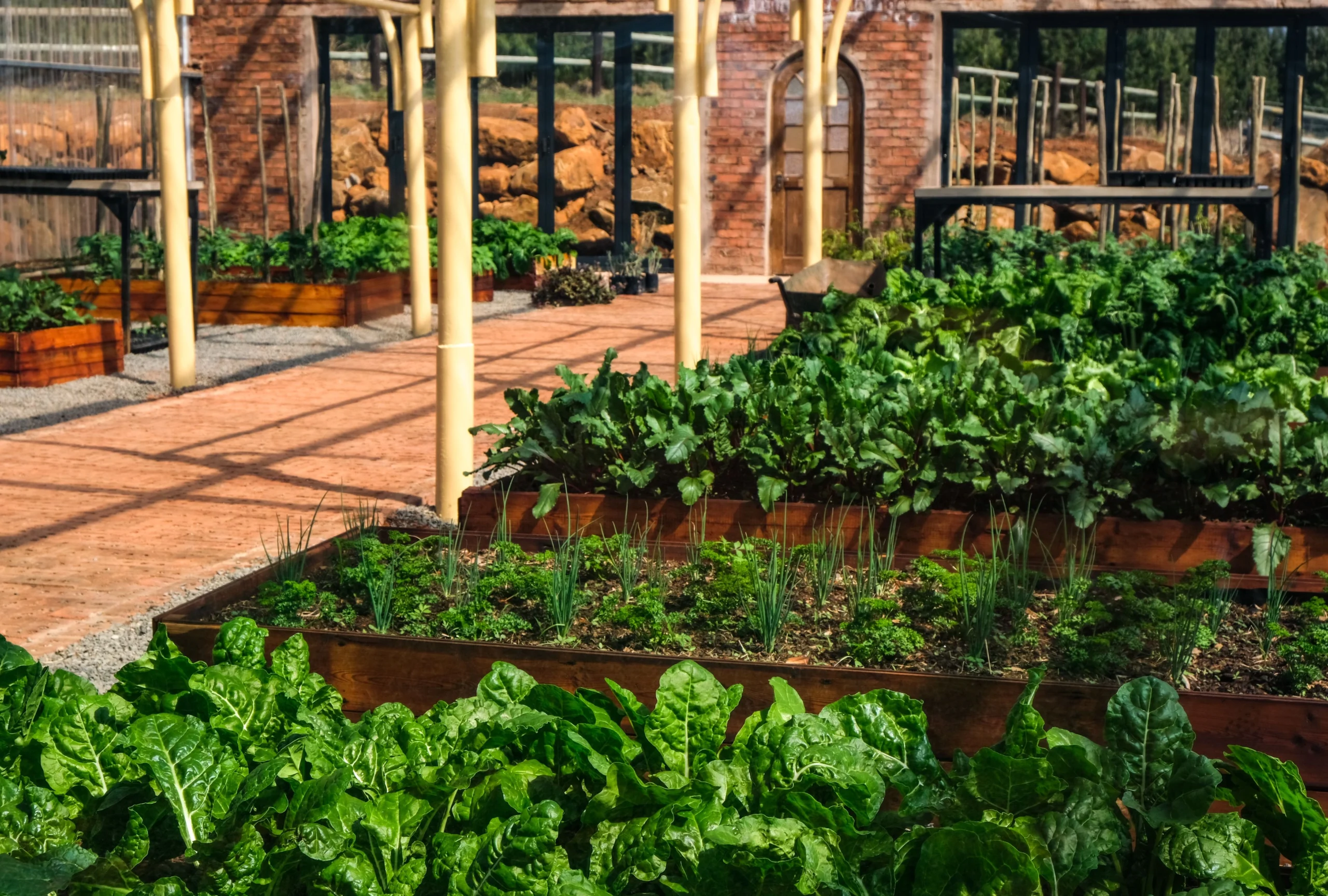
Figuring out how much mulch a raised bed actually needs is one of those jobs that looks simple until you’re standing in the garden aisle staring at bag sizes, trying to remember your bed’s length and width, and guessing at depth. A raised bed mulch calculator removes the guesswork. Enter your bed’s dimensions and your preferred depth, and you get an instant answer in cubic feet and cubic yards and the exact number of bags to buy, so you don’t overspend or run short halfway through the project.
This tool was built specifically for raised garden beds, which behave a little differently than open ground. Because raised beds have defined walls, the area is usually easy to measure exactly, and the depth you choose has a much bigger impact on the total volume than it would on a flat bed, since you’re filling a contained box rather than spreading a thin layer over open soil.
What Is This Calculator?
This raised bed mulch calculator is a free online tool that converts your bed’s length, width, and desired mulch depth into the exact materials you need to buy. Instead of relying on a rough rule of thumb or a supplier’s generic coverage chart, you get a number calculated specifically for your bed’s measurements.
It works for single beds or multiple beds at once, so if you’re mulching three different raised beds in the backyard, you can add each one separately and get a combined total along with a per-bed breakdown. The calculator also lets you choose your bag size, since mulch is typically sold in 1, 1.5, 2, or 3 cubic foot bags in the US, and it estimates total cost if you enter a price per bag.
Whether you searched for a mulch calculator, a way to figure out how many bags of mulch you need, or a raised bed soil calculator to plan a new build, this page covers the same core math, adapted specifically for raised beds. Gardeners building their first raised bed often start here before moving on to filling it with soil and planting, since getting the mulch layer right protects the investment made in the bed itself.
If you’ve used a regular mulch calculator before, this raised bed mulch calculator works the same way but adds bed-specific depth guidance.
How Does It Work?
The calculator runs through four steps every time you enter new numbers:
Step 1—Calculate the area
For a rectangular raised bed, area in square feet equals length multiplied by width. If you have an irregular shape, measure the longest length and widest width and use that as your working area, then round up slightly to cover the difference.
Step 2 — Convert depth to feet
Mulch depth is entered in inches, since that’s how most people think about it, then converted internally: depth in feet equals depth in inches divided by twelve.
Step 3 — Calculate volume
Volume in cubic feet equals area in square feet multiplied by depth in feet. This is the raw amount of material needed before accounting for settling.
Step 4 — Convert to cubic yards and bags
Cubic yards equal cubic feet divided by twenty-seven. From there, the calculator divides your total cubic feet by your selected bag size to give you a bag count, rounded up so you don’t come home short, and multiplies it by your entered price to estimate total cost.
If you want to check the math by hand, the shortcut formula is cubic yards equal to area in square feet multiplied by depth in inches, divided by 324. For example, a 4 ft by 8 ft raised bed at 3 inches deep works out to 32 × 3 ÷ 324, which is about 0.3 cubic yards, or roughly 8 bags at 1 cubic foot each.
Understanding Your Results
Here’s what each number in your raised bed mulch calculator results actually means:
Cubic yards
This is the figure to give a bulk supplier if you’re having mulch delivered rather than buying bags. Most delivery yards sell by the cubic yard, and smaller raised bed projects often fall under a full yard, so you may need to round up to the supplier’s minimum order.
Cubic feet
This number is most useful for comparing bagged products at a garden center, since bag sizes are almost always labeled in cubic feet rather than yards.
Bags needed
Your total volume divided by your chosen bag size, rounded up to the nearest whole bag. This is the number to use if you’re buying individual bags instead of ordering bulk.
Total area
A quick way to confirm your bed measurements match what you intended to cover, useful if you’re working from a garden plan or comparing multiple beds.
Estimated cost
If you entered a price per bag, this shows your total estimated material cost before tax or delivery fees, which is handy for budgeting a project before you go shopping.
Raised Bed Mulch Calculator: Depth Guide
| Raised Bed Use | Recommended Depth |
|---|---|
| Top-dressing around existing plants | 1–2 inches |
| Standard raised bed mulching | 2–3 inches |
| Weed suppression in a new bed | 3–4 inches |
| Pathways between raised beds | 3–4 inches |
As a general rule, going past 4 inches in a raised bed doesn’t add much benefit and can actually smother shallow-rooted plants, so most gardeners stay in the 2 to 3 inch range for an established bed.
Quick Examples From the Raised Bed Mulch Calculator
Example 1—Small Raised Bed: A 4 ft × 4 ft bed at 2 inches deep works out to 16 × 2 ÷ 324, or about 0.1 cubic yards, roughly 3 bags at 1 cubic foot each.
Example 2—Standard Raised Bed: A 4 ft × 8 ft bed at 3 inches deep comes to 32 × 3 ÷ 324, about 0.3 cubic yards, or around 8 one-cubic-foot bags.
Example 3 — Multiple Beds: Three 3 ft × 6 ft beds at 2.5 inches deep total 54 sq ft combined, which works out to roughly 0.42 cubic yards, or about 11 bags at 1 cubic foot each.
You can verify all three examples instantly using the calculator tool at the top of this page.
Frequently Asked Questions
How much mulch do I need for a raised bed?
It depends on your bed size and depth, but as a starting point, a standard 4 ft × 8 ft raised bed at 2–3 inches deep needs roughly 0.2 to 0.3 cubic yards, which is around 6 to 8 bags at 1 cubic foot each. Enter your exact dimensions into the calculator above for a precise figure. This raised bed mulch calculator does that math instantly if you’d rather skip
the manual formula.
How many bags of mulch do I need?
Divide your total cubic feet by your bag size and round up. For a 100 sq ft bed at 2 inches deep, that’s about 16.7 cubic feet, which comes to roughly 17 one-cubic-foot bags or 9 two-cubic-foot bags.
How do I calculate cubic yards of mulch?
Multiply your area in square feet by your depth in inches, then divide by 324. A 200 sq ft area at 3 inches deep equals 200 × 3 ÷ 324, or about 1.85 cubic yards.
What's the best mulch depth for a raised bed?
Most raised beds do best with 2 to 3 inches of mulch. Less than that doesn’t suppress weeds effectively, and more than 4 inches can smother roots and trap excess moisture against stems.
Can I use this as a topsoil calculator or compost calculator too?
Yes, the underlying math is identical for mulch, topsoil, and compost since all three use area multiplied by depth. The only thing that changes is the recommended depth and the material’s typical weight, so you can use the same area and depth measurements for any of these.
How much does 2 cubic feet of mulch cover?
A 2 cubic foot bag covers about 8 square feet at a 3-inch depth, or about 24 square feet at a 1-inch depth. Coverage shrinks as you go deeper.
How do I measure a flower bed or raised bed for mulch?
Measure the length and width in feet for a rectangular bed or the length and width of the widest points for an irregular shape. Multiply them together to get your square footage, then enter that into the calculator above along with your desired depth.
How much mulch do I need for 100 square feet?
At a standard 2-inch depth, 100 square feet needs about 16.7 cubic feet, or roughly 0.6 cubic yards. At 3 inches, that rises to about 25 cubic feet, or just under 1 cubic yard.
Does this work as a playground mulch calculator?
The same volume formula applies, but playground surfacing typically calls for a much deeper layer, often 6 inches or more for fall-height safety standards, so adjust your depth input accordingly and check your local safety guidelines for exact requirements.
How much compost do I need for a raised bed?
For a typical 4 ft × 8 ft raised bed mixed into existing soil at 1–2 inches, you’ll need roughly 0.1 to 0.2 cubic yards. If you’re filling a bed from scratch with a compost-soil blend, that number rises significantly depending on the bed’s depth.
Other Tools You Might Need
Beyond this raised bed mulch calculator, if you’re working on a larger landscaping project, our mulch calculator with price estimator handles open beds, tree rings, and circular areas in addition to rectangles. You can also check our topsoil calculator for filling raised beds from scratch, our compost calculator for soil amendment, and our gravel calculator for paths and drainage around your garden.
This calculator above ties all of this together specifically for boxed, contained beds, where exact measurements matter more than they do on open ground.
A mulch calculator estimates the amount of mulch needed for landscaping projects quickly and accurately.

Quick Links
Get In Touch
Street 7171 W Irving Park Rd, Chicago, Illinois, 60634, United States
Email: info@mulchcalculatoronline.com
Disclaimer
The results provided by this mulch calculator are for estimation purposes only. Calculations are based on the measurements and depth you enter and are intended as a general guide to help you plan your project. Actual material needs may vary depending on settling, waste, irregular bed shapes, and the specific mulch product you purchase. We recommend adding 10–15% to your estimated total to account for variations. Always consult your local supplier for product-specific coverage rates before placing a final order. We are not responsible for over-purchasing, under-purchasing, or any costs incurred based on estimates generated by this tool.
© All Rights Reserved.