
Top Dressing Calculator—Topdressing Lawn Soil, Compost & Sand
Volume needed
1.16 cu yd
In cubic feet
31.25 ft³
Top Dressing Calculator (Topdressing Lawn Calculator)
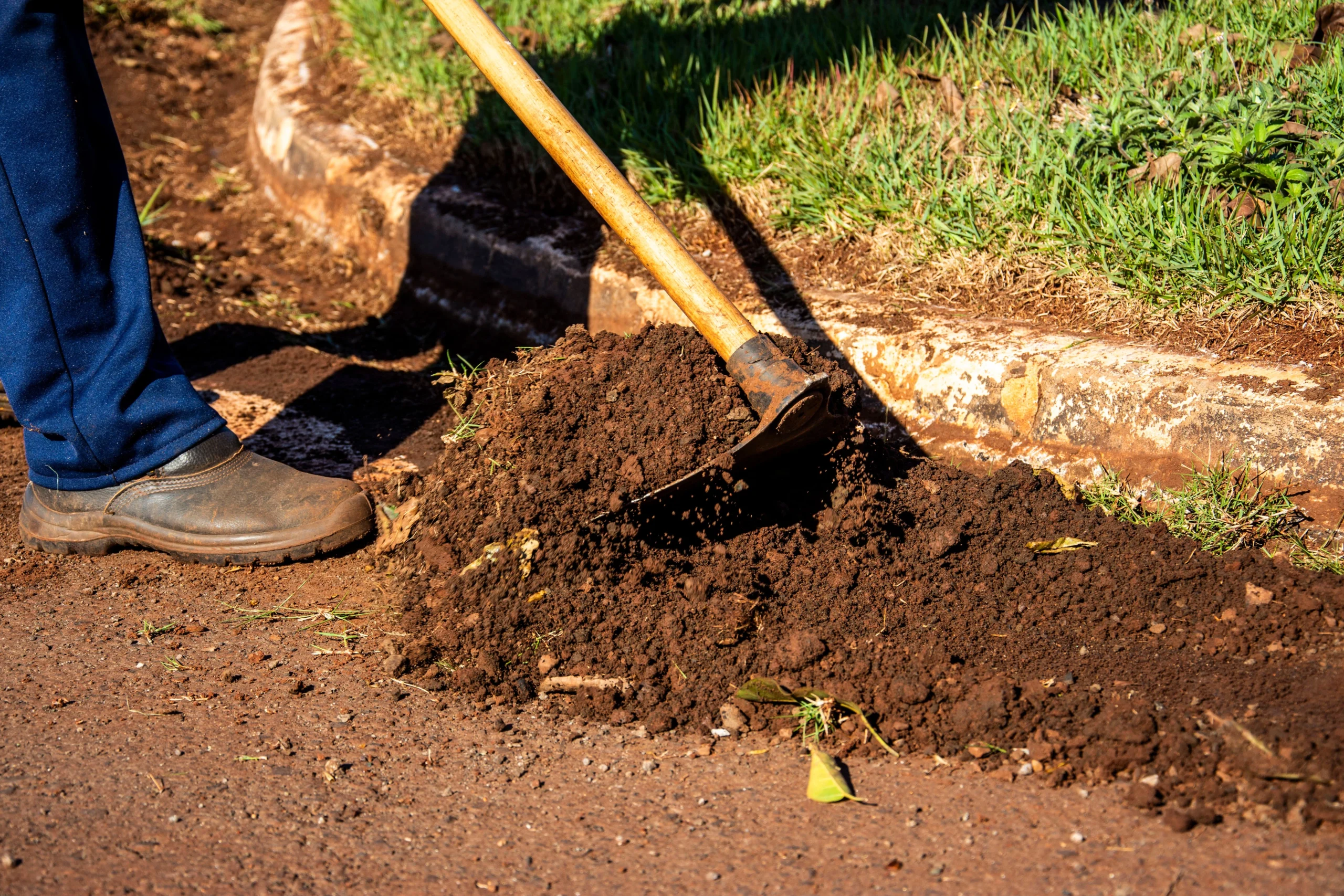
Getting your lawn’s top dressing right starts with knowing exactly how much material to buy, and that is exactly what this top dressing calculator is built to solve. Whether you’re spreading a thin layer of compost over an established lawn, prepping a new bed with topsoil, or applying a seasonal dressing before overseeding, guessing at quantities almost always means an extra trip to the store or a pile of leftover material sitting in your driveway. This top dressing calculator takes your lawn’s length, width, and desired depth, then instantly tells you how much product to order in cubic yards, cubic feet, and bags.
This top dressing calculator is built for lawn care, but if you’re also working on flower beds, tree rings, or play areas, our full mulch calculator with adjustable depth settings on the homepage handles those material estimates too, so you can plan your entire yard project from one place.
What Is a Top Dressing Calculator?
A top dressing calculator is a simple tool that converts your lawn’s dimensions and a target depth of material into a usable volume. Instead of manually working through the math of length times width times depth, then converting inches to feet and cubic feet to cubic yards, the calculator does it in a single step. It works the same way a topsoil calculator, compost calculator, or general dirt calculator would, just tuned specifically for the thin, even layers used in lawn top dressing rather than the deeper fills used for grading or raised beds.
Top dressing is typically applied at a shallow depth, often between a quarter inch and half an inch, which is why this calculator defaults to a slider rather than a large number input. Getting that depth right matters. Too thin and the dressing won’t improve soil structure or level out low spots; too thick and you risk smothering the grass underneath.
How This Top Dressing calculator Works
The math behind this mulch-style calculator tool is straightforward, but doing it by hand is where most people make mistakes, usually by forgetting to convert inches into feet before multiplying.
- Measure your lawn area. Enter the length and width in feet. If your lawn is irregularly shaped, break it into rectangles, calculate each section separately, and add the totals together—the same approach used for any topsoil calculator for lawn or garden.
- Set your desired depth. Use the slider to choose a depth in inches, typically between 0.1″ and 1″ for top-dressing applications. Apply ¼ to ½ inch per pass for compost or sand. Soil blends can go up to about 1 inch, but repeat lighter passes rather than burying the grass.
- Read your results. The calculator converts everything automatically:
- Cubic feet = Length × Width × (Depth in inches ÷ 12)
- Cubic yards = Cubic feet ÷ 27
- Bags needed = Cubic feet ÷ bag size (0.75 cu ft per bag by default)
This is the same underlying formula used across mulch estimator and compost calculator tools, just applied to the shallower depths that top dressing calls for.
What the Top Dressing Calculator Results Actually Mean
Once you’ve entered your measurements, the calculator shows three figures:
- Volume in cubic yards – the standard unit for ordering bulk material from a landscaping supplier. Most yards sell topsoil, compost, and mulch in cubic yard quantities.
- Volume in cubic feet – useful if you’re buying bagged material or comparing against a smaller mulch calculator cubic feet order.
- Estimated bags needed – based on a standard 0.75 cubic foot bag, which is the common size for bagged compost and topsoil. Adjust up or down depending on the bag size sold at your local supplier.
If you’re used to running a mulch calculation for garden beds, the same cubic yard and cubic feet figures apply here, they’re just scaled down to reflect the thinner depth top dressing requires compared to a 2-3 inch mulch layer.
Top Dressing Per 1,000 Square Feet
Use this table to size an application before you open the calculator. Bags assume 0.75 cu ft bags.
| Depth | Cubic feet | Cubic yards | Bags (0.75 cu ft) |
|---|---|---|---|
| ⅛ inch | 10.4 | 0.39 | 14 |
| ¼ inch | 20.8 | 0.77 | 28 |
| ½ inch | 41.7 | 1.54 | 56 |
| ¾ inch | 62.5 | 2.31 | 84 |
| 1 inch | 83.3 | 3.09 | 112 |
For 5,000 sq ft, multiply the yards by five: about 3.9 cubic yards at ¼ inch and 7.7 at ½ inch.
Top Dressing vs. Topsoil vs. Compost vs. Mulch
People searching for a topsoil estimator or compost calculator are often solving a slightly different problem than someone doing lawn top dressing, so it helps to know the difference:
- Top dressing is a thin layer (0.1″-0.5″) of sand, compost, or soil blend spread over an existing lawn to improve the surface, fill in low spots, and support new grass growth.
- Topsoil is used at a much greater depth, often several inches, for new lawns, grading, or filling raised beds. A cubic-yard topsoil calculator will usually assume depths of 2″ or more.
- Compost can be used as a top dressing ingredient or worked more deeply into garden soil. A dedicated compost calculator often includes a mixing ratio in addition to volume.
- Mulch sits on top of soil in flower beds, around trees, or in playgrounds and is typically applied 2-4 inches deep for weed suppression and moisture retention, which is a different job from lawn top dressing. Our reliable mulch calculator covers bark mulch, rubber mulch, and playground mulch estimates for exactly that kind of project.
Knowing which category your project falls into ensures you use the right depth setting and end up ordering the correct amount of material.
Frequently Asked Questions
What is a top dressing calculator used for?
It estimates how much topsoil, compost, or sand-based dressing you need to cover a lawn at a chosen depth, giving you a cubic yard and cubic-foot figure so you can order the right amount from a supplier.
How much top dressing do I need for my lawn?
Multiply your lawn’s length and width to get square footage, then multiply by your chosen depth in feet (inches divided by 12). Divide the result by 27 to get cubic yards. The calculator above does this automatically.
How deep should top dressing be applied?
Most lawns need between a quarter inch and half an inch of top dressing per application. Going much deeper than that in a single pass can stress or smother the grass.
How is this different from a topsoil calculator?
A topsoil calculator usually assumes a much deeper fill, often 2 inches or more, for new lawns or grading work. This tool is built around the shallow depths used for lawn maintenance.
Can I use this as a compost calculator too?
Yes. If you’re top dressing with pure compost rather than a soil blend, the same length, width, and depth formula applies, just enter your compost layer’s target depth.
How many bags of topsoil or compost do I need?
Divide your total cubic feet by the bag size; most bagged compost and topsoil come in 0.75 or 1 cubic foot bags. The calculator estimates this for you using a 0.75 cu ft default.
Does this work for mulch, gravel, or fill dirt too?
The volume math (length × width × depth) is the same for mulch, gravel, and fill dirt, but those materials are usually applied at greater depths than lawn top dressing. For mulch beds, tree rings, or playground surfacing, use our full mulch calculator on the homepage, which is built around those deeper coverage depths.
Why does the calculator show cubic yards and cubic feet?
Bulk suppliers price and deliver material by the cubic yard, while bagged material is sold by the cubic foot. Showing both lets you compare bulk delivery costs against buying bags from a garden center.
Is top dressing the same as topdressing lawn care?
Yes, “top dressing” and “topdressing” refer to the same lawn care practice of spreading a thin layer of soil, sand, or compost over an existing lawn.
How much top dressing do I need for 1,000 square feet?
At ¼ inch you need about 0.77 cubic yards, and at ½ inch about 1.5 cubic yards.
A mulch calculator estimates the amount of mulch needed for landscaping projects quickly and accurately.

Quick Links
Get In Touch
Street 7171 W Irving Park Rd, Chicago, Illinois, 60634, United States
Email: info@mulchcalculatoronline.com
Disclaimer
The results provided by this mulch calculator are for estimation purposes only. Calculations are based on the measurements and depth you enter and are intended as a general guide to help you plan your project. Actual material needs may vary depending on settling, waste, irregular bed shapes, and the specific mulch product you purchase. We recommend adding 10–15% to your estimated total to account for variations. Always consult your local supplier for product-specific coverage rates before placing a final order. We are not responsible for over-purchasing, under-purchasing, or any costs incurred based on estimates generated by this tool.
© All Rights Reserved.